
Table of Contents
- What Makes Independent Family-Run Restaurants Different
- The Importance of Local Food Sourcing
- Independent vs Chain Restaurant Experience
- How Family-Run Establishments Build Genuine Community
- Benefits of Supporting Local Independent Restaurants
- Quality, Consistency, and Owner-Driven Excellence
- Dining at Independent Venues: What to Expect
Last Updated: August 25, 2026
What Makes Independent Family-Run Restaurants Different
Independent family-run restaurants operate on fundamentally different principles than chain establishments. When you choose independent family-run restaurants, you’re supporting a business where decisions flow from personal investment and community connection rather than corporate directives. The owner is often the chef or manager, which means quality control is enforced by pride rather than delegated to supervisors.
This accountability produces a different standard. The menu reflects the owner’s culinary vision, not a focus-grouped formula. Seasonal ingredients matter because they’re sourced from local suppliers the owner knows personally. The atmosphere carries authenticity that’s difficult to replicate, staff aren’t following scripts, they’re working in a space where they know regular customers by name. Plonkers Wine Bar exemplifies this approach, situated on the York riverside since the early 1980s, building its reputation on home-cooked food from locally sourced ingredients and genuine hospitality rooted in community.
Chain restaurants prioritize consistency and scalability. Menus are standardized, recipes tested for reproducibility, and staff turnover is expected. The result is predictable but rarely memorable.
Independent family-run restaurants succeed because the owner’s reputation is inseparable from the business. That creates accountability no corporate policy can match.
The Importance of Local Food Sourcing
Local food sourcing represents far more than a marketing advantage for independent family-run restaurants. It’s a fundamental operational principle that shapes quality, freshness, and community impact simultaneously.
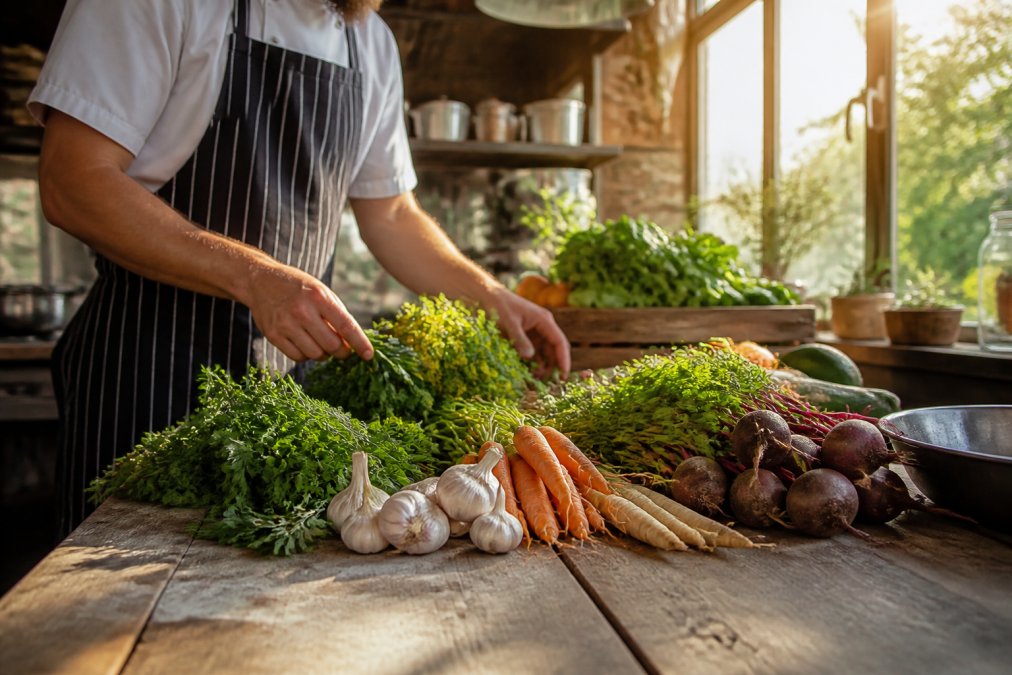
The practical benefits are immediate. Produce arrives fresher because it travels shorter distances. A tomato harvested 20 miles away and delivered the next morning tastes measurably different from one picked a week ago and shipped across the country (usda.gov). This isn’t philosophy, it’s basic food science.
Local sourcing enables menu flexibility that chains cannot achieve. Independent restaurants adjust offerings based on what’s currently available from suppliers. When spring greens become abundant, the menu shifts. When local game is in season, it appears as a special. This responsiveness creates a dining experience that changes throughout the year.
An independent operator can speak directly with the farmer, fishmonger, or producer. They know farming practices, handling procedures, and storage conditions. This transparency stands in sharp contrast to corporate procurement, where purchasing decisions are made by cost analysts reviewing spreadsheets.
Supporting local food sourcing also means supporting local entrepreneurship. Money spent at an independent restaurant flows directly back into the local economy through supply relationships, creating what economists call a multiplier effect.
Ask your independent restaurant where specific ingredients come from. If the staff can name the supplier, you’re likely getting genuine local sourcing rather than marketing language.
Independent vs Chain Restaurant Experience
The experience of dining at independent family-run restaurants differs fundamentally from chain establishments. Chain restaurants operate on standardization, identical menus, consistent portions, uniform procedures. This creates predictability. Independent family-run restaurants prioritize authenticity and adaptation, with menus reflecting the owner’s vision and changing based on ingredient availability and customer feedback.
The financial model differs too. Chain restaurants operate on thin margins achieved through volume and standardization. Independent family-run restaurants typically operate on higher margins per customer, allowing them to spend more on ingredient quality, staff training, and atmosphere. They’re creating memorable experiences that encourage loyalty rather than maximizing transaction volume.
Staffing reflects these approaches. Chain restaurants expect high turnover with positions designed for minimal training. Independent family-run restaurants often employ the same staff for years, developing genuine expertise and customer relationships. These employees have internalized the restaurant’s values through years of working there.
The relationship with community differs substantially. A chain location is a revenue generator for a distant corporation. Independent family-run restaurants are community institutions. The owner lives locally, their success depends on local reputation and customer loyalty. This creates genuine incentive to be embedded in and invested in the community’s wellbeing.
Chain restaurants offer convenience and consistency. But if your goal is to support local entrepreneurship and experience genuine community connection, that consistency comes at the cost of authenticity and local economic impact.
How Family-Run Establishments Build Genuine Community
Family-run independent restaurants function as community hubs in ways that chain establishments cannot replicate. The concept of the "third place", neither home nor work, but a space where community members gather regularly, describes this function precisely.
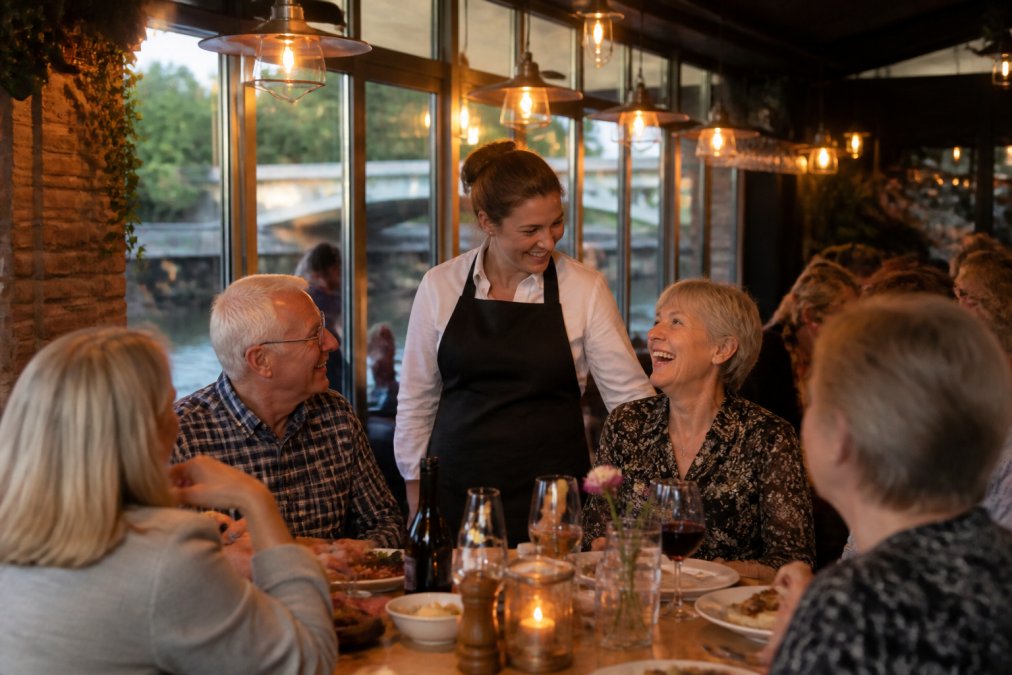
This happens gradually through consistent presence and authentic hospitality. Regular customers develop relationships with staff who remember their preferences and family members. The owner recognizes customers as community members, not transaction units. Over time, the restaurant becomes a gathering place where people feel genuinely welcomed and known.
Events hosted at independent family-run restaurants reinforce this community function. Live music nights, open mic events, and private celebrations create reasons for community members to congregate. These events are often organized with community benefit in mind rather than pure profit maximization. Independent restaurants often provide platforms for local artists, musicians, and performers because the owner understands the value of supporting local talent and culture.
Personalized service reinforces community bonds. Staff have authority to make decisions prioritizing customer wellbeing over strict policy adherence. A customer with dietary requirements receives genuine accommodation. A regular experiencing difficulty receives a warm greeting and perhaps a complimentary drink. These gestures, multiplied across countless interactions, build genuine loyalty and community feeling.
Plonkers Wine Bar demonstrates this principle through consistent hosting of live music and open mic nights, creating regular reasons for community members to gather. The riverside location becomes a destination, woven into the fabric of local social life. shopping at independent boutiques.
Benefits of Supporting Local Independent Restaurants
Supporting independent family-run restaurants generates benefits extending far beyond the immediate dining experience. These benefits accrue to the individual diner, the local economy, and the broader community simultaneously.
The most direct benefit is quality. Independent family-run restaurants typically invest more in ingredient quality because their business model supports higher margins per customer. They’re competing on experience and quality, not price through volume. The food tastes noticeably better because it’s made by someone with personal accountability for its quality.
The economic multiplier effect represents significant community benefit. When you spend money at an independent family-run restaurant, that money circulates locally. The owner purchases from local suppliers, pays local staff, and spends income in the community. Research suggests independent businesses recirculate significantly more revenue locally than chains, where profits flow to distant corporate headquarters (peer-reviewed research).
Supporting independent family-run restaurants strengthens local food systems. When these restaurants source locally, they create stable demand for local producers. A farmer knows they have a reliable customer in the local restaurant. This encourages producers to maintain production and invest in operations. Supporting independent restaurants that prioritize local sourcing preserves local agricultural capacity and food security.
Independent family-run restaurants preserve culinary traditions and regional food culture. A restaurant owner might specialize in cuisine connected to their heritage or region, maintaining recipes and techniques that might otherwise disappear. Chain restaurants serve standardized cuisine designed for broad appeal, gradually eroding regional food culture.
Employment quality differs substantially. Independent family-run restaurants typically offer more stable employment, better management relationships, and genuine career development. Staff are valued as individuals and community members, not interchangeable units.
Supporting independent family-run restaurants means supporting genuine entrepreneurship. These businesses represent owners who took financial risk to build something in their community.
Quality, Consistency, and Owner-Driven Excellence
The quality of food and service in independent family-run restaurants stems directly from owner involvement and accountability. The owner’s reputation is inseparable from the business’s reputation. If food quality declines or service becomes inconsistent, the owner’s personal reputation suffers. There’s no corporate buffer. This creates powerful incentive for maintaining high standards.
Owner involvement in daily operations means quality control is continuous. The owner tastes the food, observes service interactions, and adjusts operations based on direct experience. They notice when a supplier’s quality declines and source an alternative. These adjustments happen immediately, not after quarterly reviews.
Signature dishes reflect the owner’s culinary vision and standards. They’re not focus-grouped menu items designed for broad appeal. They’re dishes the owner believes in and takes pride in serving, creating genuine differentiation.
Consistency in independent family-run restaurants comes from principles rather than procedures. Staff understand standards because they’ve worked with the owner over time and internalized the restaurant’s values. This owner-driven excellence also enables genuine customization. A customer with dietary requirements receives genuine accommodation rather than a standard alternative.
Dining at Independent Venues: What to Expect
Understanding what to expect when dining at independent family-run restaurants helps you appreciate the experience. The menu reflects current ingredient availability and the owner’s culinary vision, so items may change seasonally or weekly. This means you’re getting food prepared from what’s currently available at peak freshness.
The pace of service differs from chains. Independent restaurants prioritize the dining experience rather than table turnover. Courses arrive when ready, not according to predetermined timelines. Staff aren’t rushing you through your meal.
Staff knowledge is typically deeper than in chains. Servers can speak knowledgeably about ingredients, preparation methods, and wine pairings because they’ve worked with the owner and chef over time. Dietary accommodation is typically more genuine, staff work with the owner and kitchen to create something meeting your needs rather than consulting corporate policy.
The atmosphere reflects the owner’s personality and values, giving independent restaurants distinctive character rather than standardized aesthetics. Pricing reflects the quality of ingredients and preparation rather than standardized corporate margins. You may pay more than at a chain, but you’re receiving genuinely better food prepared with more care.
The booking process is often more flexible than chains. Contact the restaurant directly rather than assuming policies, staff often have authority to accommodate requests.
Choosing where to eat represents a choice about what you value in your community. Independent family-run restaurants offer something fundamentally different from chains: genuine connection, authentic quality, and direct support for local entrepreneurship. When you dine at independent family-run restaurants, you’re supporting owners who’ve invested their lives in their communities and sourcing practices that preserve local food culture. At Plonkers Wine Bar, this commitment manifests in home-cooked food from locally sourced ingredients, specialist beers and wines from independent producers, and a genuine riverside gathering space woven into the community’s social fabric. Support local businesses through your dining choices to strengthen your community’s economic resilience. Your decision to support independent family-run restaurants has consequences that ripple through your local economy and culture in ways that chain dining simply cannot match.
| Aspect | Independent Family-Run | Chain Restaurant |
|---|---|---|
| Menu | Changes seasonally, reflects owner’s vision | Standardized across locations |
| Sourcing | Local suppliers, direct relationships | Centralized distribution |
| Staff Relationships | Long-term, community-embedded | High turnover, standardized training |
| Service Pace | Experience-focused, flexible | Transaction-focused, efficient |
| Atmosphere | Distinctive character, owner’s personality | Standardized aesthetic |
| Quality Control | Owner-driven accountability | Systems and procedures |
| Community Impact | Direct local economic circulation | Profits flow to distant corporation |
| Customization | Flexible, responsive to requests | Limited, policy-constrained |
Local residents seeking regular gathering spaces where staff know their preferences, tourists wanting authentic local experiences, community groups needing flexible event spaces, diners prioritizing ingredient quality and genuine hospitality over convenience.
Frequently Asked Questions
What defines a family-run restaurant?
A family-run restaurant is independently owned and operated by members of the same family, often passed down through generations. Unlike chain establishments, these venues maintain direct control over menu decisions, sourcing, staffing, and daily operations. The owner's personal vision shapes every aspect of the dining experience, from culinary choices to hospitality standards. This hands-on approach ensures consistency rooted in the family's values rather than corporate policy.
How does eating at an independent restaurant support the local economy?
Independent restaurants create a multiplier effect within local communities. Revenue stays within the area rather than flowing to distant corporate headquarters. Family-run venues typically source ingredients from local suppliers, farmers, and producers, directly supporting neighbourhood businesses. Staff are often drawn from the community and wages circulate locally. This economic activity strengthens local infrastructure, creates employment, and builds a resilient food culture that benefits the entire area.
Why is the atmosphere different in a family-owned bistro compared to chains?
Family-owned bistros reflect the personality and values of their owners. Staff often have deeper relationships with regular customers, remembering preferences and creating a genuine sense of belonging. The space evolves organically rather than following a standardised template, resulting in authentic character and warmth. Owners invest emotionally in their reputation, leading to attentive service and willingness to accommodate individual needs. This personal touch creates a 'third place' where people feel genuinely welcomed.
What role do locally sourced ingredients play in independent dining?
Locally sourced ingredients ensure superior freshness, flavour, and quality control. Independent restaurants can build direct relationships with growers and producers, understanding exactly where food comes from and how it's produced. This supply chain transparency supports sustainable practices and seasonal menus that reflect what's genuinely available. Farm-to-table sourcing reduces food miles, supports agricultural communities, and allows chefs to create menus based on ingredient quality rather than corporate standardisation, resulting in authentic, distinctive dining experiences.
This article was written using GrandRanker