
Table of Contents
- Why Locally Sourced Food Menus Matter in York
- Plonkers Wine Bar: Home-Cooked Food from Local Producers
- Seasonal Menus York: How Restaurants Source Throughout the Year
- Sustainable Dining York: Independent Restaurants Committed to Local Producers
- Accessible Restaurants in York Centre: Riverside Dining and Beyond
- Other Locally Sourced Dining Options Worth Exploring
- How to Identify Genuine Locally Sourced Food Menus
- Booking Your Locally Sourced Dining Experience
Last Updated: August 18, 2026
Why Locally Sourced Food Menus Matter in York
The connection between what lands on your plate and where it came from has never been stronger. When restaurants commit to locally sourced food menus, they’re supporting regional producers, reducing food miles, and delivering fresher dishes that reflect the season and the landscape around them.
York’s independent dining scene has embraced this philosophy with genuine conviction. Unlike chain restaurants that source from national distributors, the best locally sourced food menus in York work directly with farms, fisheries, and artisan producers within the region.
What makes locally sourced food menus compelling isn’t just ethics or environmental impact, it’s flavour. Produce picked at peak ripeness travels shorter distances and arrives at the kitchen with more vitality. For diners, this means eating seasonally, supporting independence, and making a choice that aligns with knowing where food comes from and who benefits from its sale.
This guide explores the best locally sourced food menus in York, from fine dining establishments that showcase Yorkshire’s culinary heritage to casual cafes where seasonal ingredients are simply how they cook.
Plonkers Wine Bar: Home-Cooked Food from Local Producers
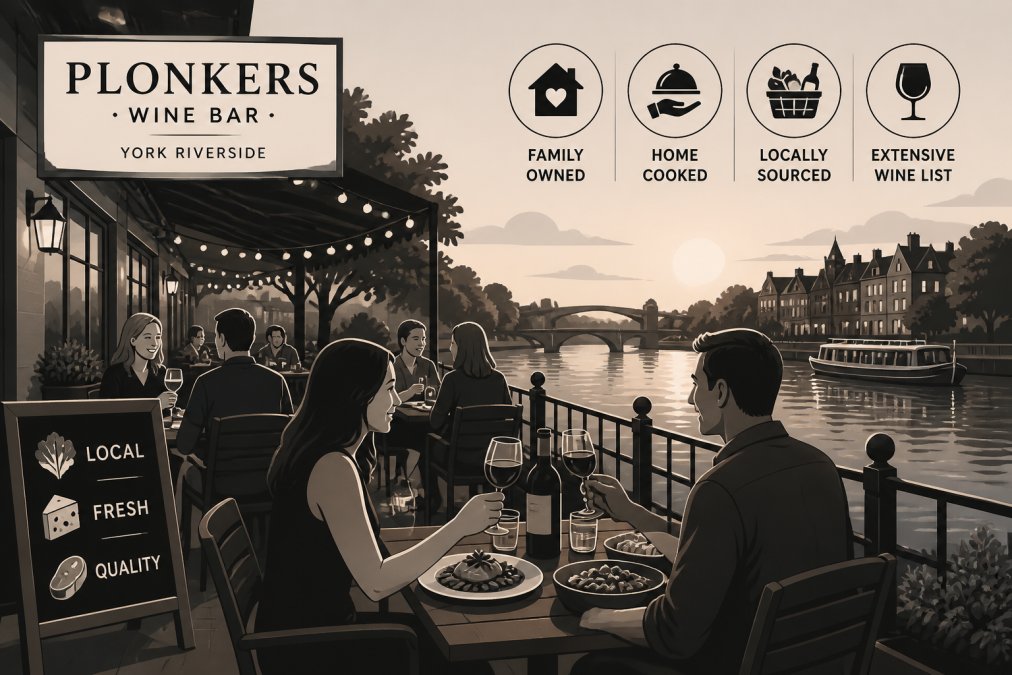
Plonkers Wine Bar stands apart in York’s dining landscape as a genuinely independent, family-run operation that has championed locally sourced food menus since the early 1980s. Situated on the scenic riverside, this bistro operates without corporate ties or supply chain obligations, a distinction that shapes everything from menu decisions to the relationships the kitchen builds with local producers.
The menu at Plonkers reflects a philosophy of simplicity and quality. Rather than chasing trends, the kitchen focuses on home-cooked food that showcases locally sourced meat, fish, and vegetables. The Pub Platter exemplifies this approach: a locally made pork pie, homemade sausage roll, and scotch egg served alongside seasonal accompaniments. These aren’t dishes assembled from pre-made components; they’re made in-house using ingredients sourced from producers the team knows personally.
What Makes the Menu Special
The distinction between claiming to serve locally sourced food and actually doing it matters enormously. Plonkers operates as a completely independent establishment, which means every decision about sourcing reflects the owners’ priorities rather than a corporate mandate. This independence allows the kitchen to build direct relationships with local producers and adjust the menu based on what’s genuinely available.
The menu changes with the seasons, which is the truest indicator of genuine local sourcing. When spring arrives, you’ll find different vegetables and proteins than you would in winter. The kitchen works with what’s in season because that’s when produce is at its peak, most affordable, and most abundant from local farms.
The home-cooked element distinguishes Plonkers from establishments that source locally but rely on pre-prepared components. Dishes are made from raw ingredients in the kitchen, which requires more skill and commitment than heating and plating ready-made items.
Vegan and Dietary Accommodations
One of the most telling reviews of Plonkers comes from a vegan diner: "I thoroughly enjoyed the vegan carvery here today, the staff went above and beyond to make sure I was catered to and everyone else said their food was delicious, we were all served very generous portion sizes." This speaks to a kitchen that takes dietary requirements seriously rather than treating them as an inconvenience.
Live Music and Events
Beyond the food, Plonkers hosts regular live music and open mic nights that transform the dining experience into something more social and memorable. For event organisers planning group celebrations for 6 to 130 people, Plonkers offers genuine character combined with practical capacity. The space accommodates groups without making them feel segregated or cramped, and the quality of food and service remains consistent regardless of party size.
Seasonal Menus York: How Restaurants Source Throughout the Year
Understanding how seasonal menus work reveals which restaurants genuinely commit to locally sourced food menus and which simply use the phrase as marketing. True seasonal sourcing means the menu changes multiple times per year as different produce comes into season.
Restaurants that operate seasonal menus in York typically work with a network of local farms and producers who communicate availability in advance. The kitchen plans menus around what’s coming into season rather than requesting specific items and hoping suppliers can deliver.
Spring brings young vegetables, tender greens, and early lamb. Summer offers abundance: soft fruits, stone fruits, tomatoes, and peak-season fish from Yorkshire waters. Autumn delivers game, root vegetables, and mushrooms. Winter brings hardy vegetables, preserved items, and proteins suited to slower cooking.
The advantage for diners is freshness and flavour. Seasonal ingredients are harvested at peak ripeness rather than picked early for transport. They cost less because they’re abundant, which means restaurants can price menus competitively while maintaining margins.
When booking at restaurants featuring seasonal menus in York, ask staff which items are currently sourced locally and which are not. Honest restaurants will tell you.
Sustainable Dining York: Independent Restaurants Committed to Local Producers
Sustainable dining extends beyond locally sourced food menus to encompass how restaurants source, prepare, and serve food in ways that minimise environmental impact and support producer livelihoods.
Partisan, located in the city centre, changes its menu seasonally while working directly with local growers and organic producers. The restaurant sources organic pork and chicken from Grassfruits in Escrick Woods, a specific farm rather than an anonymous supplier. The menu features substantial vegetarian and vegan options, reflecting a kitchen that treats plant-based cooking as primary rather than secondary.
Ambiente Tapas operates with a commitment to sourcing meat within a 40-mile radius and using free-range chicken and eggs. The restaurant highlights locally sourced seasonal specials, such as Padron Peppers from Yorkshire Chillies.
Skosh, a contemporary British restaurant, uses seasonal and often local organic produce in its small plates format. The open kitchen allows diners to see how ingredients are treated, which creates accountability and builds trust.
The Star Inn The City, led by Michelin-starred chef Andrew Pern, commits to sourcing at least 90% of produce from within a 30-mile radius. The riverside location with views of the Ouse provides a setting that justifies the commitment to quality.
Sustainable dining restaurants in York often cost more than chain alternatives, but the difference reflects genuine value: better ingredients, smaller-scale producers receiving fair prices, and kitchens that invest in skill and technique.
Accessible Restaurants in York Centre: Riverside Dining and Beyond
Accessibility shapes whether diners can actually enjoy locally sourced food menus. A restaurant might serve exceptional food, but if parking is impossible, wheelchair access is absent, or the space feels unwelcoming to people with specific needs, the experience fails before the first course arrives.
Plonkers Wine Bar’s riverside location offers particular advantages for accessibility. The family-run nature of the operation means staff understand regulars and their needs, adjusting service accordingly. For diners with specific dietary requirements, the team’s willingness to accommodate extends to other accessibility needs.
When booking any locally sourced dining experience in York, contact the restaurant directly to discuss accessibility. Ask about parking, entrance logistics, toilet facilities, and whether staff can accommodate specific dietary or mobility needs. Independent restaurants often have more flexibility than chains, but only if you communicate your requirements in advance.
Other Locally Sourced Dining Options Worth Exploring
Beyond Plonkers, York’s dining landscape includes several restaurants committed to locally sourced food menus, each with distinct character and approach.
Fine Dining with Local Provenance
The Star Inn The City represents fine dining anchored in local sourcing. The restaurant occupies a restored engine house with views of the River Ouse and operates under the leadership of Michelin-starred chef Andrew Pern. The commitment to sourcing at least 90% of produce from within a 30-mile radius shapes every menu decision.
Fine dining with local provenance means you’re paying for skill, technique, and the chef’s vision, not just ingredient quality. The Star Inn’s menu reflects seasonal availability, which means repeat visits offer different experiences.
Casual Cafes and Bistros
Partisan operates as a restaurant, cafe, and arts space in York city centre. The menu changes seasonally, and the kitchen works with local growers and organic producers. The venue hosts exhibitions for local and national artists, creating a cultural dimension beyond dining.
The restaurant serves breakfast, brunch, lunch, and afternoon tea daily, with evening menus available Thursday through Saturday. The emphasis on vegetarian and vegan options reflects a kitchen that treats plant-based cooking as central rather than peripheral.
Small Plates and Contemporary British
Skosh serves eclectic small plates with international influences, underpinned by seasonal and often local organic produce. The open kitchen allows diners to observe how ingredients are treated, creating transparency and accountability. The wine list is succinct but thoughtful, and local craft beers feature prominently.
How to Identify Genuine Locally Sourced Food Menus
Distinguishing between restaurants that genuinely commit to locally sourced food menus and those using the phrase as marketing requires attention to specific signals.
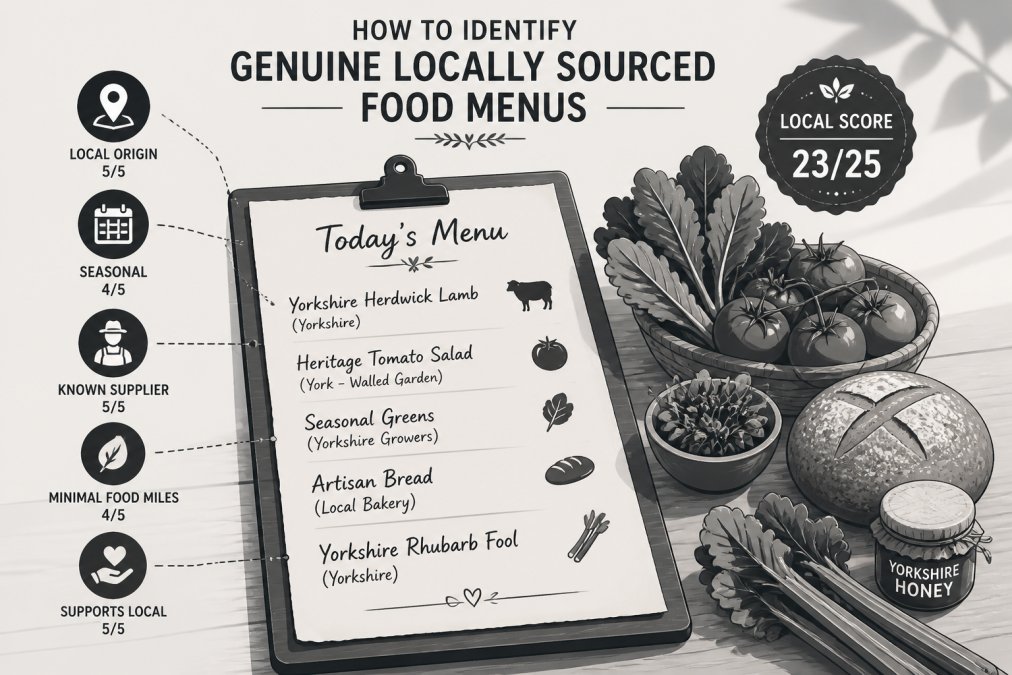
Ask restaurants directly: which items are sourced locally, and which are not? Honest establishments will answer. Transparency about sourcing matters more than claiming everything is local.
Look for specificity. A menu that says "local vegetables" is less trustworthy than one that names the farm or producer. Partisan’s mention of Grassfruits in Escrick Woods demonstrates genuine relationships rather than vague claims.
Check whether the menu changes seasonally. If a restaurant serves identical dishes year-round, they’re not sourcing seasonally.
Examine the kitchen’s approach to preparation. Restaurants serving home-cooked food made from raw ingredients demonstrate greater commitment than those relying on pre-prepared components.
Look at dietary accommodation. Restaurants that take vegan, vegetarian, and allergy requirements seriously, offering substantial, creative options rather than token sides, tend to take sourcing seriously as well.
Consider independence. Family-run, independent restaurants typically have more flexibility in sourcing decisions than establishments tied to corporate suppliers.
Check reviews for specific mentions of sourcing. Diners who care about this topic will mention it.
Booking Your Locally Sourced Dining Experience
Booking at restaurants featuring locally sourced food menus requires slightly different consideration than standard reservations. These venues often operate with smaller teams, source ingredients based on availability, and may have capacity limitations due to their size or philosophy.
Contact the restaurant directly rather than relying solely on online booking platforms. Phone calls allow you to discuss dietary requirements, group size, occasion, and any accessibility needs.
Ask about current availability when booking. Some restaurants take reservations weeks in advance; others operate on shorter notice. Seasonal sourcing sometimes means last-minute menu adjustments.
For group events, discuss capacity and logistics in advance. Plonkers accommodates groups from 6 to 130 people, but the experience differs depending on size.
Mention dietary requirements explicitly. Even restaurants with excellent accommodation benefit from advance notice. This allows the kitchen to plan and ensure the experience meets expectations.
Ask about live music and events if entertainment matters to your visit. Plonkers hosts regular live music and open mic nights, but schedules vary.
For special occasions, discuss what the kitchen can offer. Independent restaurants often create bespoke experiences when given advance notice.
Locally sourced food menus in York represent more than a dining trend; they reflect a shift toward restaurants that prioritise quality, community, and transparency. Plonkers Wine Bar exemplifies this commitment through its family-run independence, riverside location, home-cooked approach, and genuine accommodation of dietary requirements. When you book your locally sourced dining experience, you’re supporting producers who care about their craft and restaurants that refuse to compromise on what lands on your plate. Contact Plonkers Wine Bar directly to reserve your table and discover why this riverside bistro has remained a beloved local institution for over four decades.
Frequently Asked Questions
How do I know if a restaurant's locally sourced food menus are authentic and not just marketing?
Genuine locally sourced dining venues name their suppliers on the menu or website, mention specific farms or producers, and update offerings seasonally. Ask staff about sourcing when you visit. Independent, family-run restaurants like Plonkers Wine Bar typically have deeper relationships with local suppliers and are transparent about their sourcing practices. Check reviews mentioning food quality and consistency, customers often comment when sourcing is genuine versus superficial.
What seasonal menus York restaurants offer right now, and how often do they change?
Most restaurants with seasonal menus York update offerings quarterly or monthly based on what's available from local growers. Spring brings asparagus, rhubarb, and new potatoes; summer features soft fruits and courgettes; autumn offers game and root vegetables; winter showcases hearty fare and preserved goods. Contact restaurants directly for current seasonal specials, as menus change frequently. Plonkers Wine Bar and independent venues typically post updates on their websites or social media.
Can I find sustainable dining York options that also cater to vegan diets?
Yes. Many sustainable dining York restaurants now offer comprehensive vegan menus using local, seasonal produce. Partisan sources organic vegetables and offers extensive vegan dishes. Ambiente Tapas provides numerous vegan tapas using local ingredients. Plonkers Wine Bar offers a vegan carvery and other plant-based options prepared with the same care as meat dishes. When booking, mention dietary requirements so kitchens can prepare something special using available local produce.
Are accessible restaurants in York centre easy to reach if I don't have a car?
Most accessible restaurants in York centre are within walking distance of the train station and city centre attractions. Plonkers Wine Bar's riverside location is accessible via footpaths from the city centre, though parking is limited nearby. Public transport links most venues well. Contact restaurants ahead to confirm accessibility features, including toilet facilities, wheelchair access, and whether they can accommodate mobility aids. Staff at independent venues are usually flexible about seating arrangements for guests with specific needs.
This article was written using GrandRanker