
Table of Contents
- What Makes Bistro Food Truly Home-Cooked
- Signs of Scratch-Cooked Restaurant Food
- How to Spot Frozen vs Fresh Bistro Meals
- Benefits of Locally Sourced Bistro Ingredients
- Sensory Evaluation: What Your Senses Tell You
- Decoding Menu Language and Marketing Buzzwords
- Questions to Ask Your Server
- Conclusion
Last Updated: August 21, 2026
What Makes Bistro Food Truly Home-Cooked
Authentic home-cooked bistro food relies on scratch cooking, preparing dishes from raw ingredients rather than pre-cooked components. This approach demands skill, time, and consistency. At Plonkers Wine Bar, this philosophy underpins every plate that leaves the kitchen, with locally sourced ingredients transformed through deliberate, unhurried preparation.
The key difference between authentic bistro food and mass-produced alternatives lies in intentionality. A restaurant committed to home-cooked bistro food treats ingredient sourcing, preparation timing, and plating as interconnected elements of a single promise. Chain establishments and restaurants dependent on processed ingredients simply cannot replicate this coherence. Bistro kitchens are deliberately modest in scale, embrace constraint as a feature, and adjust daily specials based on what arrived fresh that morning. A chef working in a proper bistro knows their suppliers by name and treats recipe compliance as a foundation rather than a ceiling.
The most reliable tell of authentic home-cooked bistro food is menu variation. If the same dishes appear unchanged week after week, you’re likely looking at a kitchen relying on pre-prepared components. True bistro kitchens shift offerings based on seasonal availability and supplier relationships.
Signs of Scratch-Cooked Restaurant Food
Identifying scratch-cooked restaurant food requires attention to details most diners overlook.
Consistency and variation in plating
A kitchen doing genuine scratch cooking will show variation in plating across multiple servings of the same dish. When a sauce pools slightly differently on one plate than another, when garnish placement shifts subtly between servings, you’re watching skilled cooks making real-time adjustments based on the specific ingredients in front of them that day. Industrialized plating looks identical, evidence of either pre-plated components or rigid standardization that eliminates individual judgment.
Temperature consistency across plating also signals scratch cooking. When dishes arrive at your table at varying temperatures, that’s a sign the kitchen is plating to order rather than holding pre-prepared components under heat lamps.
Preparation marks and hand-finished details
Hand-finished details are the vocabulary of scratch cooking. A properly seared protein shows browning variation, darker in some spots, lighter in others, because it was handled by a cook responding to the specific piece of meat in front of them. Factory-processed proteins show uniform browning from precisely controlled industrial equipment.
Sauce applied by hand shows deliberate placement, sometimes with visible brush or spoon marks. Sauce applied through standardized plating looks uniform and mechanical. Hand-cut vegetables show variation in size and shape, while mechanically processed vegetables are uniform and identical. This uniformity contradicts the philosophy of home-cooked bistro food.
The most reliable indicator of scratch cooking is asymmetry. Perfect uniformity signals industrial processing. Intentional variation signals human craft.
How to Spot Frozen vs Fresh Bistro Meals
Understanding visual and textural cues helps you identify whether a restaurant uses frozen or fresh ingredients.
Visual tells in produce and proteins
Fresh produce displays natural colour variation, slight browning on edges, and subtle imperfections of natural growth. Frozen vegetables show uniform colour and texture; the freezing process damages cell structure, creating a slightly translucent appearance.
Fresh fish shows firm flesh with a slight sheen that springs back when pressed lightly. Frozen fish, even after thawing, shows a dull surface and flesh that doesn’t recover from pressure as quickly. Frozen chicken develops a slightly greyish tint and lacks the natural colour variation of fresh poultry.
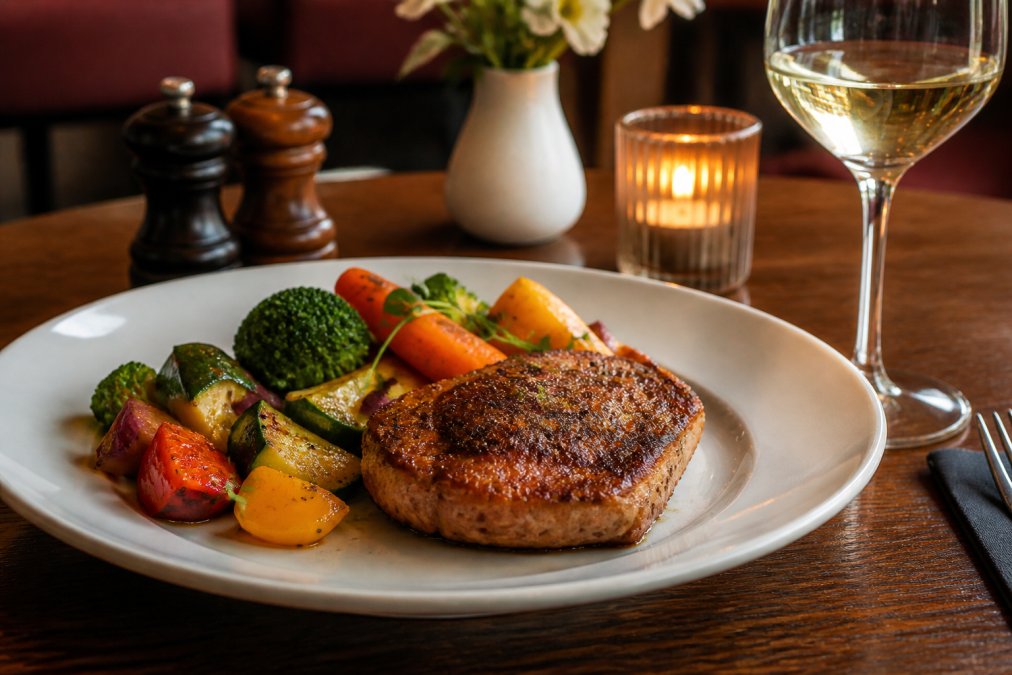
The browning patterns on seared proteins tell the story of preparation method. Fresh proteins develop uneven browning because the cook responds to the specific piece in front of them. Frozen proteins, which lose moisture during freezing, often develop uniform browning or fail to brown properly, instead steaming rather than searing.
Fresh potatoes have slight resistance when cut and maintain distinct layers and firmness. Frozen potatoes, which undergo cellular damage during freezing, cut more easily and become slightly mushy.
Texture and moisture content clues
Fresh vegetables maintain crisp edges and firm interiors. Frozen vegetables show a slightly softer, less defined texture because ice crystal formation ruptures cell walls. Fresh ingredients retain natural moisture in precise quantities; frozen ingredients either lose moisture (creating dryness) or retain excess water (creating a waterlogged mouthfeel).
Fresh fish flakes cleanly along natural muscle separations. Frozen fish flakes unevenly or falls apart because the freezing process has already begun breaking down the protein structure. Sauces made with fresh ingredients have a different mouthfeel than those made with frozen components. Fresh cream maintains a silky texture; cream from frozen dairy sometimes shows a slightly grainy quality. Fresh herbs release oils that create a bright, fresh taste profile; frozen herbs taste muted by comparison.
Benefits of Locally Sourced Bistro Ingredients
Locally sourced ingredients arrive at the restaurant at peak ripeness and freshness. Produce harvested locally reaches the kitchen within hours or days of picking, while produce shipped from distant sources was picked earlier in an underripe state. The sugars and acids that create taste develop primarily on the plant, not in transit (peer-reviewed research).
The relationship between a restaurant and local suppliers creates accountability. A chef who buys from a farmer they know personally can request specific varieties and ripeness levels. Industrial supply chains eliminate this relationship; information degrades at each step and personal relationships don’t exist.
Seasonal variation in locally sourced bistro ingredients reflects natural growing patterns. A menu that changes with seasons signals a kitchen responding to what’s actually available and at its best. Local sourcing reduces the time between harvest and plate, which matters for nutrient retention and flavour development. Vitamin C degrades after harvest; flavour compounds oxidize with exposure to light and heat (peer-reviewed research). The shorter the journey from field to kitchen, the more of these compounds remain intact.
Plonkers Wine Bar’s commitment to locally sourced ingredients reflects this philosophy. The restaurant doesn’t source from industrial distributors because doing so would contradict the fundamental promise of home-cooked bistro food.
Be skeptical of restaurants claiming local sourcing without specifics. Ask which suppliers they work with. Genuine local sourcing relationships are specific enough to name. Vague claims about “local ingredients” often mean a portion of ingredients are local, with the rest sourced industrially.
Sensory Evaluation: What Your Senses Tell You
Your senses are sophisticated analytical tools for evaluating food quality and preparation method.
Aroma and cooking method indicators
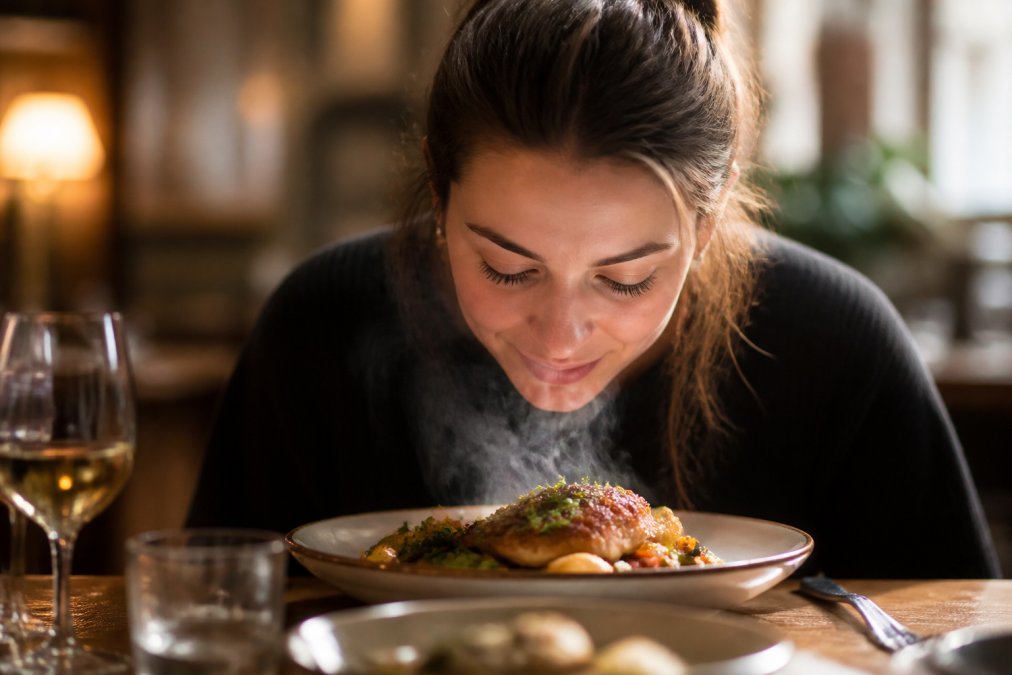
Aroma reveals cooking method more reliably than almost any other indicator. Fresh ingredients prepared through scratch cooking release complex aromas with multiple scent layers that develop as the dish is prepared and plated. A steak seared in a hot pan releases the aroma of caramelized proteins; butter browning releases nutty notes; fresh herbs release volatile oils. These aromas layer, creating a complex scent profile that changes as you smell it over several seconds.
Frozen or pre-cooked ingredients release simpler, flatter aromas. Microwave usage creates distinctive steamed aromas, lacking the caramelized notes of proper cooking methods. Timing of aroma release signals preparation method. Food prepared to order releases aroma immediately when it reaches your table; food that was prepared earlier and reheated releases aroma more gradually. personalize dining experiences.
Taste profile and flavour depth
Begin taste evaluation by assessing salt balance. Fresh ingredients prepared with care show proper salt balance, enough to enhance natural flavours without dominating them. Over-salted food often indicates an attempt to mask the dull flavour of pre-cooked or frozen ingredients.
Flavour depth indicates ingredient freshness and preparation care. A properly prepared dish made from fresh ingredients shows multiple flavour layers. Frozen or pre-cooked ingredients show flatter flavour profiles because flavour compounds degrade during freezing and storage.
Acid balance reveals ingredient quality. Dishes made from fresh ingredients often show bright acidity that makes other flavours pop. Dishes made from pre-prepared components sometimes show dull acidity or excessive acidity, because the cook is compensating for missing brightness.
The evolution of flavour across multiple bites signals preparation quality. A properly prepared dish tastes better as you eat it because the flavours continue developing and integrating. A dish made from pre-prepared components tastes consistent throughout, indicating lack of complexity.
Decoding Menu Language and Marketing Buzzwords
Restaurant menus employ specific language patterns that signal preparation methods and ingredient sourcing.
The phrase "home-cooked" on a menu means different things to different restaurants. Genuine home-cooked bistro food means dishes prepared from raw ingredients using traditional cooking methods. "Locally sourced" requires specificity, a legitimate claim names suppliers or regions. Vague "local" claims often mean a portion of ingredients are local, with others sourced industrially.
"Fresh" is perhaps the most abused term on menus. It can mean "not frozen," "prepared today," or "never frozen, sourced locally, prepared to order." Context determines meaning. "Seasonal" on a menu signals a kitchen responding to ingredient availability. A truly seasonal menu changes substantially throughout the year.
"House-made" indicates preparation on-site, which is positive, but doesn’t automatically mean scratch cooking. "Artisanal" has become so overused that it carries minimal information without specifics. "Prepared fresh to order" is a strong signal indicating the kitchen is timing preparation based on your order, not reheating pre-prepared components.
Avoid restaurants using excessive adjectives without specifics. "Delicious," "amazing," and "incredible" are marketing language, not information. Legitimate menus describe what the dish is, not how you should feel about it.
The most reliable menu language is specific and understated. A menu describing “roasted chicken with seasonal vegetables and house-made sauce” signals clarity and confidence. A menu using excessive adjectives and vague claims signals marketing over substance.
Questions to Ask Your Server
Direct conversation with restaurant staff provides information that menus and appearances cannot.
Begin with sourcing questions: "Where do you source your ingredients?" and "Which suppliers do you work with regularly?" Specific answers indicate genuine local sourcing; vague answers suggest otherwise. Ask about preparation: "Is this dish prepared to order or prepared earlier and reheated?" Honest restaurants will answer directly.
"What’s in the sauce?" reveals whether the sauce is made from basic ingredients or from pre-made bases. A server who can describe sauce components with specificity indicates a kitchen that makes sauces from scratch.
"How is the fish/meat sourced?" indicates whether the restaurant works with specific suppliers or sources from industrial distributors. "We get it from [specific supplier]" is a strong answer; "It comes from our distributor" is weaker.
"What does your kitchen do in-house versus source prepared?" acknowledges that all restaurants source some prepared components. The distinction is scale and commitment. "What are the seasonal changes to your menu?" reveals whether seasonality is genuine or marketing. "How long has your kitchen been working with this supplier?" indicates relationship depth.
The tone of server responses matters as much as the content. Servers at restaurants committed to scratch cooking and local sourcing speak with confidence and specificity about these practices.
Conclusion
Identifying authentic home-cooked bistro food requires attention to details most diners overlook. Visual markers, sensory cues, menu language, and direct conversation with restaurant staff combine to reveal whether a kitchen is genuinely committed to scratch cooking and local sourcing or relying on pre-prepared components and industrial suppliers.
The distinction matters. Bistro culture represents a specific culinary philosophy that prioritises craft, relationship, and seasonal responsiveness over standardisation and efficiency. Plonkers Wine Bar embodies this commitment through locally sourced ingredients, scratch cooking practices, and a menu that reflects seasonal availability. BOOK NOW to experience the difference authentic home-cooked bistro food makes.
Frequently Asked Questions
Q: What are the key signs that bistro food is actually home-cooked and not reheated?
A: Genuine home-cooked bistro food shows inconsistency in plating (each dish slightly different), visible hand-finished touches like sauce drips, and irregular portion sizes. Fresh ingredients have varied colour and texture rather than uniform appearance. Ask your server if dishes are prepared to order. Check if the menu changes seasonally, this indicates fresh ingredient sourcing rather than frozen stock rotation.
Q: How can you tell if a bistro uses frozen ingredients instead of fresh produce?
A: Frozen vegetables often look too perfect in colour and shape, lack natural blemishes, and feel mushy or watery in texture. Fresh bistro ingredients show seasonal variation, minor imperfections, and firm texture. Frozen proteins like fish or chicken appear translucent or have a slightly grey tone; fresh proteins have vibrant colour and firm structure. Frozen potatoes lack the floury texture of fresh ones. Observe the menu, if it's identical year-round, frozen ingredients are likely being used.
Q: What makes locally sourced ingredients better in a home-cooked bistro?
A: Local sourcing means shorter supply chains, fresher delivery, and seasonal menus that reflect what's available. Locally sourced bistro food typically has richer flavour because ingredients spend less time in transit and storage. Restaurants using local suppliers often build relationships with producers, ensuring consistent quality. You'll notice seasonal menu changes, support for regional producers on the menu, and staff knowledge about ingredient origins. This commitment to local sourcing reflects the scratch-cooking philosophy central to authentic bistro dining.
Q: What should I ask a server to confirm the food is home-cooked?
A: Ask: 'Is this dish prepared to order?' 'Where do you source your ingredients?' 'How long does this dish typically take to prepare?' True home-cooked bistros will answer confidently and specifically. Ask about signature dishes, if they can describe the preparation process in detail, it indicates scratch cooking. Request to know if any components are pre-prepared; honest venues will acknowledge what's made ahead and what's finished fresh. Avoid venues that give vague answers or seem uncomfortable with these questions.
This article was written using GrandRanker