Last Updated: October 27, 2026
Quick Summary
Neither model is better in general, so hotel brasseries and independent restaurants simply suit different nights. Hotel brasseries win on convenience, consistency and comfort, while independents win on local sourcing, menu flexibility and character. Match the venue to your occasion rather than to a ranking.
- A brasserie is a large all-day restaurant with a wide menu; a bistro is smaller with a short menu.
- Hotel restaurants offer onsite dining, standardised service and fixed opening hours that rarely change.
- Independents offer seasonal menus, local ingredients, creativity and community ties with regulars.
- Non-guests should confirm the brasserie is open to non-residents and whether the menu differs for residents.
- Compare total cost, not just mains, because drinks, service and travel all count.
Table of Contents
- What Counts as a Hotel Brasserie, and Why It Matters
- The Advantages of Hotel Restaurants: Convenience, Consistency and Comfort
- Independent Restaurant Benefits: Freedom, Local Sourcing and Character
- Hotel Brasseries vs Independent Restaurants: A Side-by-Side Comparison
- Value for Money: What You Actually Pay For
- How to Choose a Good Restaurant for Your Occasion
- Book a Table at an Independent Riverside Bistro
- Frequently Asked Questions
What Counts as a Hotel Brasserie, and Why It Matters
A hotel brasserie is a full-service restaurant attached to a hotel that serves all-day French-influenced food, usually with table service, linen, and a broad drinks list. It is open to the public, not just guests. That distinction matters because it changes who the restaurant is built for.
At Plonkers Wine Bar, we sit firmly on the independent side of this argument. Below, we break down where hotel brasseries genuinely win, where they fall short, and how to pick the right room for your evening.
The short answer: neither model is better in general.
Brasserie vs Bistro: The Differences That Decide Your Evening
A brasserie is a large, busy, all-day restaurant with a wide menu and full service. A bistro is a smaller, simpler neighbourhood place with a short menu and a relaxed pace.
That one difference shapes everything else.
- Brasseries: broad menu, long hours, formal service, higher noise
- Bistros: short menu, limited hours, casual service, quieter rooms
- Brasseries suit groups and late dinners; bistros suit conversation and regulars
For a deeper look at how the two formats differ, our guide on what makes a bistro truly authentic covers the detail.
The Advantages of Hotel Restaurants: Convenience, Consistency and Comfort
The strongest case for hotel dining is reliability. A hotel restaurant has to serve guests who arrive tired, hungry, and unwilling to research. That pressure produces a predictable experience.
What you actually get:
- Onsite dining with no travel, which matters for business travellers
- Standardised service and trained staff following set scripts
- Fixed opening hours that rarely change
- Comfortable decor and a calm, polished room
- Easy reservations and space for larger groups
Independent Restaurant Benefits: Freedom, Local Sourcing and Character
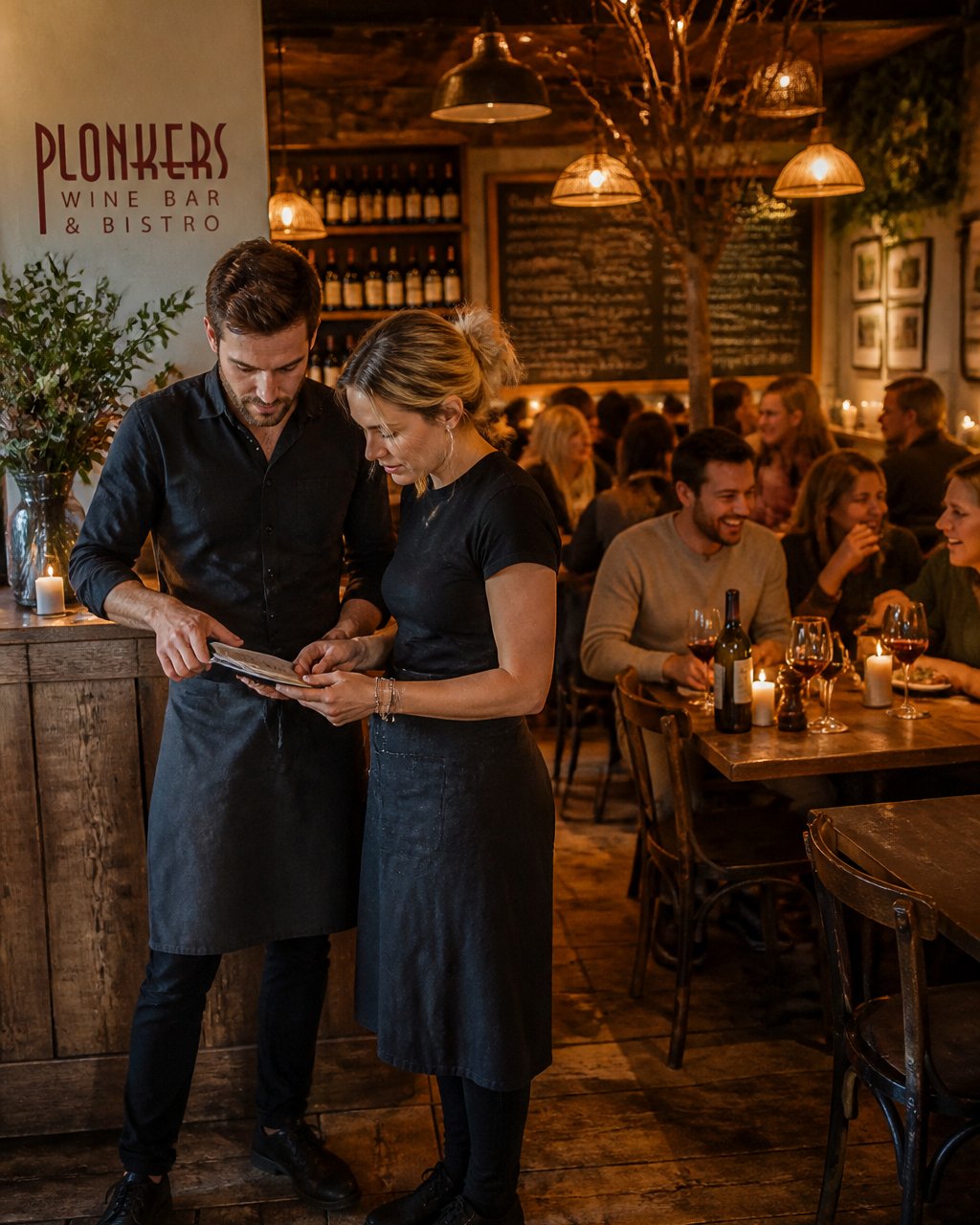
- Menu flexibility: dishes change with the season and with supply
- Local ingredients: shorter supply chains and named producers
- Creativity: chefs can try things a chain would never approve
- Community ties: regulars, local breweries, live music, events
If you want to understand the family-owned model behind that character, our piece on what makes a bistro family-owned explains how it works in practice.
Hotel Brasseries vs Independent Restaurants: A Side-by-Side Comparison
Here is the honest comparison, category by category. The table gives you the headline; the notes underneath explain the mechanism behind each row so you can judge your own shortlist.
| Factor | Hotel Brasserie | Independent Restaurant |
|---|---|---|
| Service standards | Scripted, trained, predictable | Personal, variable, often warmer |
| Food consistency | High, standardised | Good to excellent, depends on owner |
| Ingredient sourcing | Centralised, broad supply chain | Local, seasonal, named producers |
| Menu flexibility | Low, changes slowly | High, changes often |
| Atmosphere | Polished, formal, can feel generic | Characterful, relaxed, unique |
| Value for money | Higher prices for the setting | Often better food per pound |
| Access for non-guests | Open, but feels like a hotel | Fully public, no barrier |
| Best for | Business travel, large groups, safety | Occasions, regulars, food-led evenings |
Service Standards and Hospitality: Who Trains Better?
Independents train differently. A small team learns on the job, from the owner, and from each other. The result is less consistent but often more genuine. Experienced staff in an independent venue tend to read a table better, because they are not following a script. The practical difference: hotels deliver reliable service, independents deliver personal service. Which you prefer depends on the night.
Food Quality, Consistency and Ingredient Sourcing
Our advice: judge an independent on its menu length. A short, changing menu usually signals a kitchen that cooks. A menu with eighty dishes usually signals a freezer.
Access, Reservations and Non-Guest Welcome
This is where the two models diverge most in practice, and where most comparisons stay silent. A hotel brasserie is open to the public, but the experience is designed around residents. You may find the entrance is through the lobby, the host assumes you are staying, and the bar is priced for a captive audience. None of that is hostile, but it can feel like you are dining in someone else’s living room.
If you are not staying at the hotel, ring ahead and ask two questions: whether the restaurant is open to non-residents on your date, and whether the menu differs for residents. The answers tell you quickly whether you are the target diner or an afterthought.
Value for Money: What the Bill Actually Covers
- Pay for setting and certainty at a hotel brasserie
- Pay for food and character at an independent
- Compare total cost, not just mains: drinks, service, and travel all count
Pricing varies by venue, so check menus directly rather than assuming. A cheap main with expensive drinks is not good value.
The Verdict by Diner Type
For a wider view of how ownership shapes a venue, read our comparison of independent versus chain restaurants.
Value for Money: What You Actually Pay For
- Pay for setting and certainty at a hotel brasserie
- Pay for food and character at an independent
- Compare total cost, not just mains: drinks, service, and travel all count
Pricing varies by venue, so check menus directly rather than assuming. A cheap main with expensive drinks is not good value.
How to Choose a Good Restaurant for Your Occasion
Match the venue to the night, not to a ranking. The framework below works for both hotel brasseries and independents.
Start With the Occasion, Not the Venue Type
- Dietary requirements: ask directly and check the answer is specific. Vague answers are a warning sign.
Three Questions That Settle Most Decisions
- Does the menu change with the season?
- Can staff name where the meat, fish, or vegetables come from?
- Is the room built for the food, or for the hotel?
Check Access and Value Before You Book
Two practical checks separate a good night from a disappointing one:
- Access: if you are not a hotel guest, confirm the brasserie is open to non-residents on your date and ask whether the menu differs for residents.
- Value: compare total cost, not just mains. Drinks, service and travel all count. A cheap main with expensive drinks is not good value.
A Quick Decision Rule
Neither is universally better; the right answer depends on the night you are planning.
For a wider view of how ownership shapes a venue, read our comparison of independent versus chain restaurants.
Book a Table at an Independent Riverside Bistro
We are biased, and we will say so. Plonkers Wine Bar has been family owned and run since the early 1980s, completely independent and untied to any supplier or chain. We cook home-style food from locally sourced meat, fish, and vegetables, and we pour specialist beers, wines, and spirits.
We host live music and open mic nights, cater for groups from 6 to 130, and offer a pre-theatre menu for Grand Opera House evenings. If you are weighing up a riverside independent for your next meal, see our riverside dining guide.
Frequently Asked Questions
Are hotel brasseries more expensive than independent restaurants?
Compare the total bill rather than the headline price: drinks, sides and service charges can shift the picture. Ask for the full menu with prices before booking so you can judge value for money honestly.
Do hotel brasseries offer better service than independent restaurants?
Hotel brasseries tend to follow formal service standards with structured training and set procedures, which shows in polished, predictable hospitality. Independent restaurants often deliver warmer, more personal service because staff stay longer and know regulars by name. Neither is automatically better. If you want seamless efficiency for a business dinner, a hotel brasserie suits. If you want conversation, recommendations and a sense of welcome, an independent venue usually wins.
What makes a brasserie different from a bistro?
A brasserie is larger and more formal, with a broad menu served from morning until late, table service throughout and often a busy, buzzing atmosphere. A bistro is smaller and more intimate, with a shorter menu, a focus on home-cooked dishes and a relaxed, neighbourhood feel. Both are French in origin, but the brasserie leans towards volume and all-day service, while the bistro leans towards character and a closer relationship with its regular diners.
How can you tell whether a restaurant uses locally sourced ingredients?
Look for named suppliers on the menu, seasonal dishes that change through the year and staff who can tell you where the meat, fish or vegetables came from without checking. Independent restaurants are usually more open about sourcing because it is central to their identity. Ask directly about a specific dish. A confident, specific answer about a local farm, brewery or market is a strong signal, while vague talk about fresh produce tells you very little.
The real question is not whether hotel brasseries beat independents. It is whether you want a reliable room or a memorable one. We build for the second. Get started with Plonkers Wine Bar and book a table for home-cooked food, local sourcing, and a warm riverside welcome.
