Last Updated: November 1, 2026
Quick Summary
You need a music licence to play music for customers in a bistro, whether it is live bands, radio, a playlist or a CD. A music licence is permission from the rights holders, and without it you are infringing copyright even if you paid for the album or streaming subscription. Playing recorded music in public usually needs permission for both the song and the recording.
- A personal streaming subscription does not cover business use in your bistro.
- TheMusicLicence from PPL PRS covers both composition and recording rights for recorded music.
- Live covers need separate PRS permission, while original material needs no music licence for the songs.
- Music audible beyond the premises, such as in a beer garden, is still a public performance.
- UK restaurant music licence cost depends on capacity, music use, opening hours and features, so get a quote.
Table of Contents
- When Does a Bistro Need a Music Licence?
- TheMusicLicence for Restaurants: What It Covers
- Playing Live Music in a Restaurant Licence: What You Need
- Commercial Music Streaming for Restaurants: Why a Personal Subscription Is Not Enough
- UK Restaurant Music Licence Cost: What Affects the Fee
- How to Apply for a Music Licence: A Step-by-Step Checklist
- Common Mistakes and Compliance Recordkeeping
- Frequently Asked Questions
When Does a Bistro Need a Music Licence?
If you play music for customers, you almost certainly need a music licence. That covers live bands, a radio in the corner, a playlist from a streaming account, or a CD behind the bar. Playing music in public is a separate activity from listening at home, and music is protected by copyright.
A music licence is permission from the rights holders to play their songs in your venue. Without it, you are infringing copyright, even if you paid for the album or the streaming subscription.
Here is the key distinction most guides skip. The law protects two separate things: the song itself (words and music, owned by writers and publishers) and the recording of it (owned by the label and performers). Playing recorded music in public usually needs both.
A Bistro Decision Path: Which Music Use Needs What
Most confusion comes from treating ‘music’ as one activity.
1. Background playlists, radio or TV for customers
This is recorded music played in public. You need permission for both the composition and the recording.
2. A DJ playing recorded tracks
Same two rights as background music, but the tariff can differ because the music is featured rather than incidental.
3. A live band or duo playing covers
The performers are publicly performing other people’s songs, so you need permission for the compositions.
4. Live original music only
No music licence is needed for the songs themselves, but your premises licence must permit live music, and you must meet any conditions on noise, hours and capacity.
**5.
6. Private events and hired rooms
A private party in a function room is still music played in a business premises.
**7.
A simple test: if a customer can hear it, it is public performance. If you cannot point to a licence that covers that specific use, treat it as unlicensed until you can.
Live Music Versus Recorded Music
Live music and recorded music are treated differently, and this trips up plenty of venues. A band playing covers needs permission for the songs. A DJ playing tracks needs permission for both the songs and the recordings.
- Live music: performers need permission for the songs they play. Original material is their own, but covers are not.
- Recorded music: you need permission for the composition and the sound recording.
- Radio and TV: still public performance, even though you did not choose the songs.
Public Performance and Copyright Rules
Public performance is the legal term for playing music where others can hear it. A bistro, café, bar or hospitality venue counts as public, whether the room is full or empty. Copyright rules sit under the Copyright, Designs and Patents Act 1988, and the official guidance from the UK Intellectual Property Office sets out how copyright applies to businesses.
One point worth stating plainly: the rules are territorial. A licence that covers play in one country does not automatically cover play in another. If you operate more than one site, or stream music to a venue elsewhere, check the position for each location rather than assuming one licence travels.
TheMusicLicence for Restaurants: What It Covers
TheMusicLicence is the combined licence from PPL PRS that covers both rights for recorded music (What is TheMusicLicence). PPL collects for recording rights (labels and performers). PRS for Music collects for composition rights (songwriters and publishers). One licence, two fees bundled together.
That makes it the simplest route for most bistros. You apply once, pay one annual fee, and are covered for playing recorded music in your venue.
Which Rights Are Included
- Composition rights: the words and music, administered by PRS for Music.
- Recording rights: the specific sound recording, administered by PPL.
- What it does not cover: live performances by musicians playing other people’s songs need separate PRS permission.
TheMusicLicence for restaurants covers background music, streaming, CDs, radio and TV. It does not automatically cover a live band playing covers, so check that side separately.
Playing Live Music in a Restaurant Licence: What You Need
Playing live music in a restaurant licence depends on what the performers play. Original sets from the musicians themselves need no extra music licence, though you still need to think about your premises licence and any local council conditions.
Covers are the sticking point. If a duo plays a Beatles song, that is a public performance of a copyrighted work and needs PRS permission. Many small venues handle this through a PRS licence that covers live music events. A common mistake is assuming the band’s own insurance covers it. It does not.
Also check your premises licence. Live music may need a variation, and noise conditions apply. Watch out: running a gig without checking the premises licence conditions can put the event, and your licence, at risk.
Commercial Music Streaming for Restaurants: Why a Personal Subscription Is Not Enough
A personal Spotify, Apple Music or Amazon Music account does not cover business use. The terms of every major streaming service restrict accounts to personal, non-commercial listening. Play a personal playlist in your bistro and you breach those terms, regardless of how much you pay each month.
Commercial music streaming for restaurants is a separate product. Some services offer business accounts with a commercial licence built in. Even then, check exactly what the licence covers, because a commercial streaming account may not satisfy every public performance requirement on its own.
The safest route for most bistros is TheMusicLicence plus a commercial streaming account, or a licensed background music provider that handles the rights for you.
UK Restaurant Music Licence Cost: What Affects the Fee
UK restaurant music licence cost depends on your venue, not a flat rate. PPL PRS sets tariffs based on several factors, so two bistros of the same size can pay different amounts.
- Venue capacity: how many customers you can hold.
- How music is used: background only, or featured and danced to.
- Type of music: live versus recorded, and how often.
- Opening hours: longer hours usually mean a higher fee.
- Additional features: TVs, screens or multiple rooms.
How the Tariff Actually Works
The fee depends on factors such as the venue’s capacity and how music is used. Speak to the licensing body for a quote specific to your premises.
Do not budget from a figure you read in a blog post or forum. Tariffs change, and the only reliable number is the one quoted for your venue, your capacity and your actual music use. Always date any estimate you rely on and re-check it at renewal.
Worked Examples: How the Inputs Change the Quote
The figures below are illustrative of how the inputs interact, not published prices. Use them to understand the mechanism, then get a real quote.
How to Estimate Your Annual Fee
There is no single published figure that fits every bistro, so do not rely on guesswork. Use this approach instead:
- Note your licensed capacity and opening days.
- Confirm whether music is background, featured, or live.
- Use the PPL PRS licence calculator to get an indicative quote.
- Add any separate live music permission you need.
- Budget for the annual fee and set a renewal reminder.
For an accurate figure, request a quote directly from the licensing body for your venue.
What Changes the Fee After You Apply
A licence is not set-and-forget. If you increase capacity, add a room, start featuring music rather than playing it in the background, or begin hosting live events, tell the licensor. Under-declaring use is a common and avoidable compliance risk. The same applies in reverse: if you stop using music in part of the venue, check whether your cover and fee should be adjusted at renewal.
How to Apply for a Music Licence: A Step-by-Step Checklist
Have your venue details ready before you start. Here is a general process to follow.
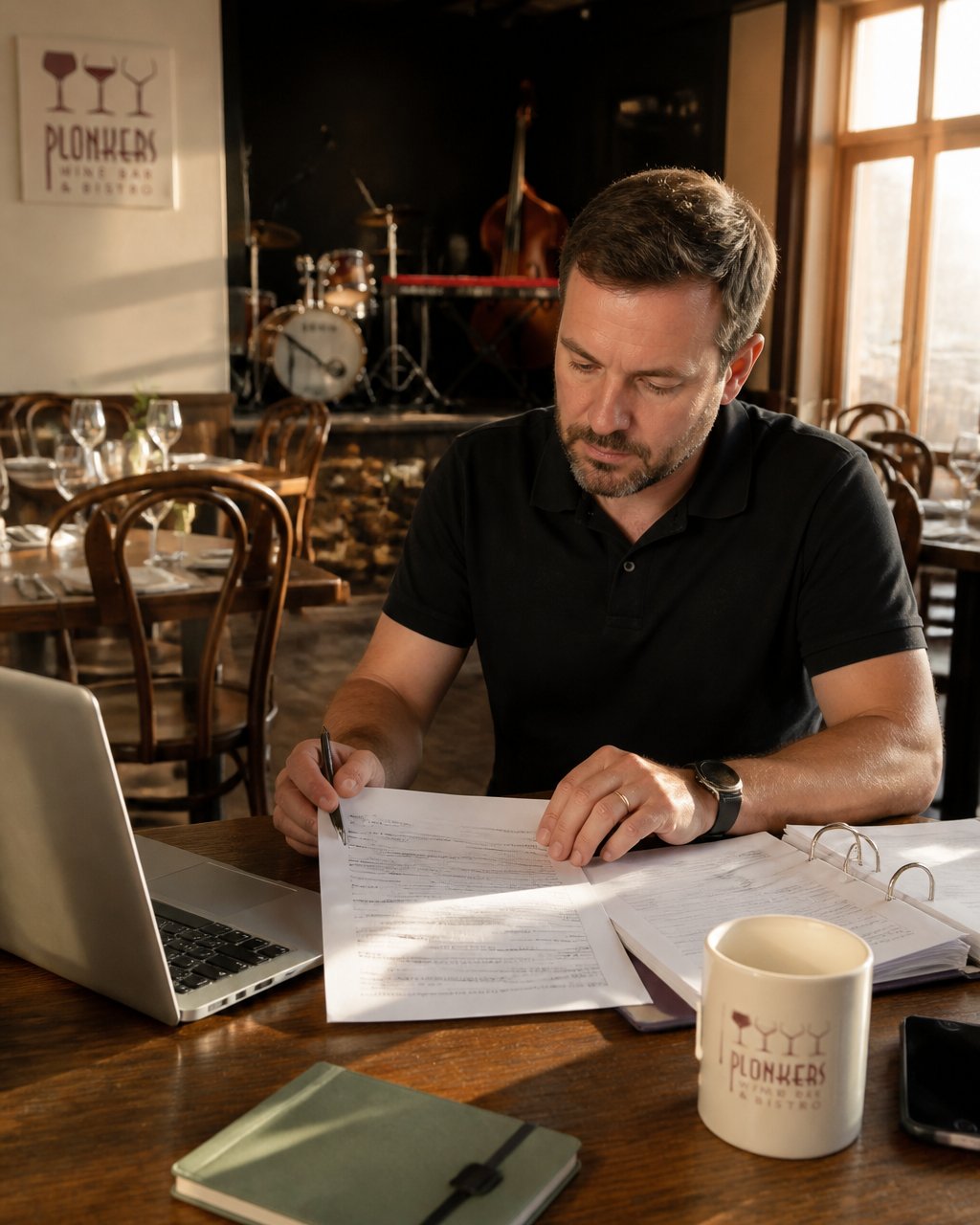
- Confirm what you play. Recorded only, live only, or both.
- Check your premises licence. Confirm live music is allowed and noise conditions are met.
- Get a quote. Use the PPL PRS calculator with your capacity and usage.
- Apply online. Complete TheMusicLicence application for recorded music.
- Add live cover. Arrange PRS permission if performers play other people’s songs.
- Display your licence. Keep it accessible for inspection.
- Set a renewal date. Diarise it so cover never lapses.
Here is the general application process the article sets out, from confirming your music use to diarising renewal.
| Step | What to do |
|---|---|
| 1 | Confirm what you play: recorded only, live only, or both |
| 2 | Check premises licence for live music and noise conditions |
| 3 | Get a quote using the PPL PRS calculator |
| 4 | Apply online for TheMusicLicence for recorded music |
| 5 | Arrange PRS permission if performers play covers |
| 6 | Display your licence, accessible for inspection |
| 7 | Set a renewal date so cover never lapses |
Common Mistakes and Compliance Recordkeeping
A common mistake is assuming a personal subscription covers business use. The second is forgetting that live covers need separate permission. Both are easy to fix before they become a problem.
Keep simple records: your licence certificate, the application date, the renewal date, and a note of what each licence covers. If a licensing officer visits, you can show cover in seconds. Watch out: letting a licence lapse, even briefly, means any music played in that window is unlicensed.
A short compliance checklist for your files:
- Current music licence certificate saved
- Renewal date diarised
- Live music permission confirmed
- Premises licence conditions checked
- Staff know which playlists and services are approved
Getting the music right is only half of running a bistro that people remember. At Plonkers Wine Bar, we are a family-owned and operated bistro on the York riverside, serving home-cooked food made from locally sourced ingredients, with a selection of specialist beers, wines and spirits.
Frequently Asked Questions
Do bistros need a licence to play music in the UK?
Yes. Any bistro playing recorded or live music to customers needs a music licence. This covers background music from a radio, CD, or streaming service, as well as live performances. The main licence is TheMusicLicence, which covers both public performance and recording rights. Without it, playing copyrighted music is copyright infringement and could lead to legal action and financial penalties.
Does a music streaming subscription cover business use in a bistro?
No. Personal streaming subscriptions are for domestic use only and do not cover commercial music streaming for restaurants. You need a commercial subscription or a licence that includes public performance rights. Even with a commercial account, you still need TheMusicLicence to cover the songwriters and composers. Check the terms of your streaming service before playing it in your venue.
What can happen if a bistro plays music without the required licence?
Playing unlicensed music is copyright infringement. Collecting societies can take legal action, which may result in court orders, damages, and costs. You could also face an inspection and penalties. It is not worth the risk. Always ensure you have the correct music licence in place before playing any music to customers or staff.
How can a bistro check that its music licence covers its premises and use?
Review your licence certificate and check the details: the address, the type of music covered (live, recorded, or both), and any limits on audience size or times. If you change how you use music (e.g., start hosting live bands), contact your licensing body to update your cover. Keep records of your licence and any music usage in case of an inspection.
