Table of Contents
- What Makes Local Ingredients Restaurants Special in York
- Best Independent Restaurants York That Prioritise Local Sourcing
- Seasonal Menus York Restaurants Use to Celebrate Regional Produce
- Riverside Dining York: Where Hospitality Meets Farm-to-Table
- Vegan and Dietary Requirements: Real Accommodation, Not Afterthought
- Live Music and Community: The Independent Eateries That Host Events
- Why Locally Sourced Dining Costs What It Does
- Conclusion
Last Updated: August 29, 2026
What Makes Local Ingredients Restaurants Special in York
Local ingredients restaurants York have become the heartbeat of the city’s dining scene. When a restaurant commits to sourcing from nearby producers, the food tastes different. The staff can tell you exactly where the beef came from, which farm grew the vegetables, who brewed the ale. It’s a genuine connection between the kitchen and the landscape surrounding the city.
This approach supports local economies, reduces food miles, and delivers meals with provenance built into every plate (fao.org). What separates the best independent restaurants York from chains is transparency. A family-run venue knows its suppliers personally. The chef adjusts the menu based on what’s actually available, creating seasonal dishes that taste fresher and feel genuinely local rather than manufactured.
The culinary heritage of York runs deep. Today’s independent eateries continue a tradition of hospitality with a modern understanding of sustainability and quality. They’re simply doing what makes sense: buying from people they know, cooking with ingredients at their peak, and creating meals worth remembering.
Best Independent Restaurants York That Prioritise Local Sourcing
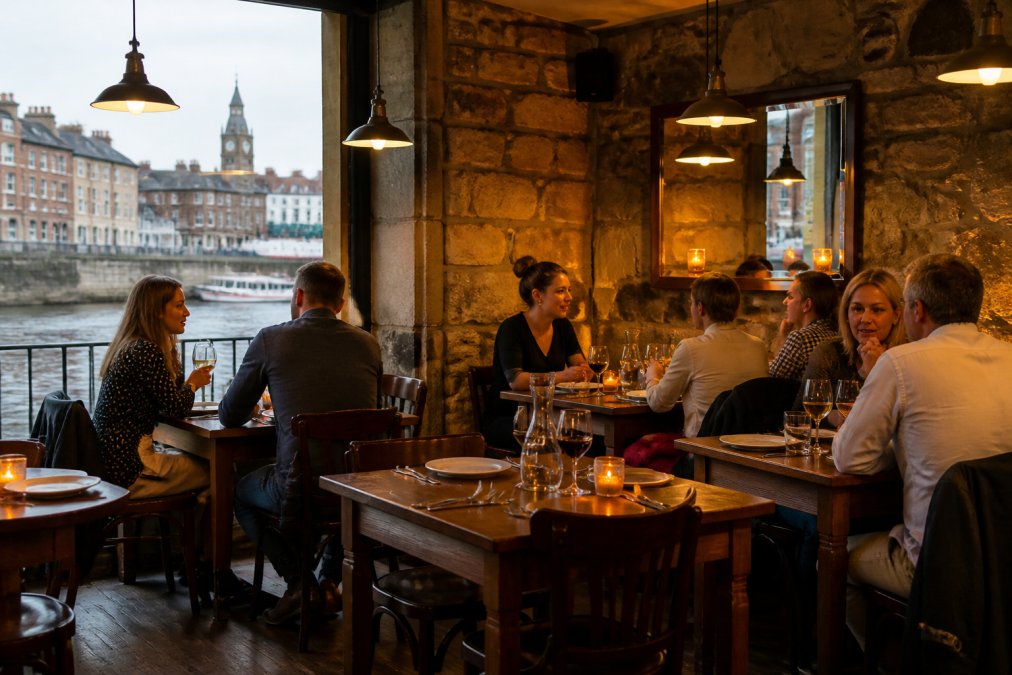
Plonkers Wine Bar stands out as a genuine example of local sourcing in practice. Situated on the scenic York riverside, this family-owned bistro has served home-cooked food since the early 1980s with consistent commitment to locally sourced meat, fish, and vegetables. The menu changes based on what’s available from regional suppliers, not corporate templates.
The difference between restaurants that claim to use local ingredients and those that genuinely do comes down to relationships. At Plonkers Wine Bar, the team knows their suppliers and can tell you the story behind each ingredient. This isn’t performative, it’s how independent restaurants operate when untied to chains or corporate purchasing systems.
Independent eateries across York prioritise what’s available over what’s convenient, building menus around seasons rather than forcing consistency year-round. What you notice immediately is ingredient quality. Locally sourced produce arrives fresher, and artisan producers take pride in their work because they’re supplying restaurants where their name might appear on the menu (peer-reviewed research). That accountability changes how they operate.
Independent restaurants compete on authenticity and quality, not price. When a venue commits to locally sourced ingredients, customers who understand this trade-off become regulars, looking for something genuine rather than the cheapest meal.
Seasonal Menus York Restaurants Use to Celebrate Regional Produce
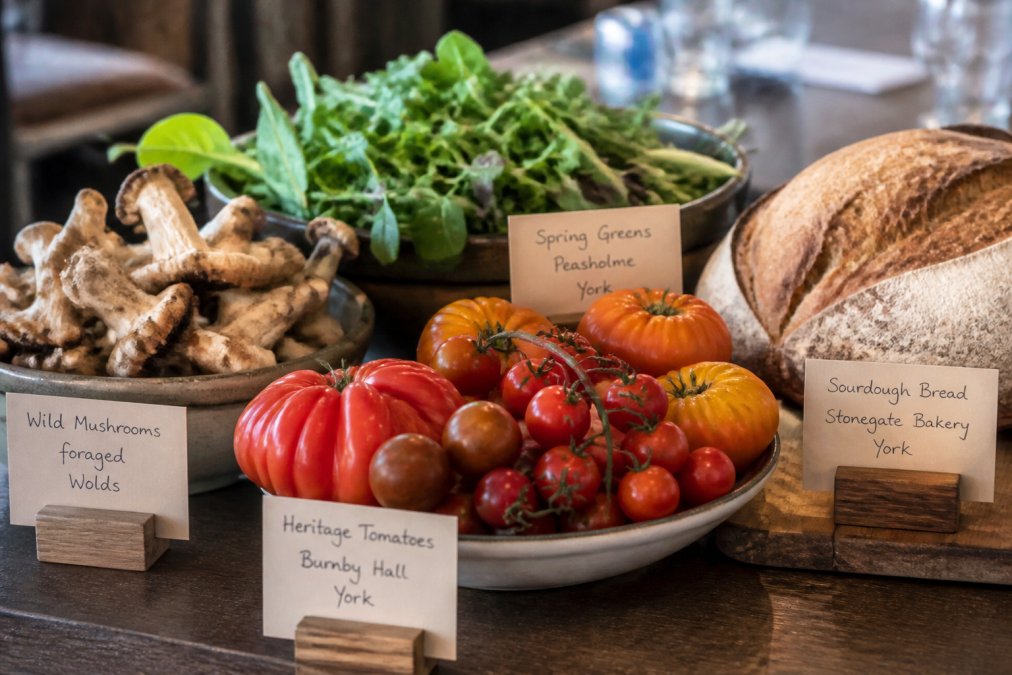
Seasonal menus change with the harvest calendar. Spring brings tender vegetables, summer offers abundance, autumn delivers root vegetables and game, and winter calls for hearty, preserved ingredients (usda.gov). This approach solves multiple problems: ingredients are cheaper and taste better when in season locally, chefs work with what’s actually available, and customers get meals connected to the time of year and agricultural calendar.
What most guides get wrong is treating seasonal menus as a gimmick. They’re a reflection of how good cooking actually works. A chef who understands local suppliers plans menus accordingly, building relationships with producers who’ll notify them when ingredients peak. This creates natural reasons for customers to return as the experience changes with the calendar.
Seasonal menus feature dishes at their absolute best. A restaurant serving spring lamb in spring has lamb at peak tenderness, while serving the same lamb in winter means frozen stock or importing from elsewhere. The difference is noticeable, and customers become advocates for seasonal eating.
Building seasonal menus also forces creativity. Chefs working with available ingredients develop different skills, learning to preserve, ferment, and work with root vegetables in new ways. This expertise becomes part of the restaurant’s identity and a competitive advantage chains cannot replicate.
Riverside Dining York: Where Hospitality Meets Farm-to-Table
The York riverside has become a natural gathering place for independent dining. Plonkers Wine Bar capitalises on this advantage, situated directly on the riverside with views no chain restaurant can match. What keeps people returning is the food, genuine quality, not just scenery. The specialist beers, wines, and spirits are curated with the same care as the food, supporting local breweries and drinks makers.
Hospitality matters more than people expect. A beautiful setting with poor service disappoints. A beautiful setting with genuine, warm service becomes memorable. Family-run venues excel at this because owners are actually present, greeting customers and adjusting operations based on real feedback.
Riverside locations attract a mix of customers, locals for regular meals and live music, tourists for the setting and experience, event organisers for private gatherings. The venue becomes part of the social fabric rather than just a place to eat, creating sustainability through diverse customer segments.
Riverside dining naturally encourages lingering. People sit longer beside water, order more drinks, and are more likely to add dessert or coffee. This works in favour of both restaurant and customer, the venue generates better margins while customers enjoy a more relaxed, social experience.
Vegan and Dietary Requirements: Real Accommodation, Not Afterthought
Real accommodation of dietary requirements means building them into the menu from the start, not treating them as special requests. A vegan carvery isn’t an afterthought but a properly thought-through dish with roasted vegetables, animal-product-free gravy, and generous portions.
Plonkers Wine Bar demonstrates this approach. Customer feedback confirms vegan options aren’t token gestures, and staff go above and beyond to ensure diners with specific requirements are properly catered to. This matters because dietary accommodation has become a basic expectation.
The difference between genuine accommodation and performative inclusion is visible in details: Does the menu clearly identify vegan or vegetarian dishes? Are staff trained to explain modifications? Do they know which ingredients might be hidden in sauces? Can they suggest wine pairings for dietary-restricted meals? sourcing local ingredients.
Independent restaurants have more flexibility here. They can adjust recipes based on customer feedback and source specific ingredients for regular customers without corporate constraints. A family-run venue can say "yes, we can make that" more often than chains can.
What diners with dietary requirements want is to be treated normally, with food as good as what everyone else is eating. Independent restaurants that understand this build loyal customer bases including people with vegan, vegetarian, gluten-free, and other dietary needs.
Live Music and Community: The Independent Eateries That Host Events
Live music transforms a restaurant from a place to eat into a venue for experience. Plonkers Wine Bar hosts regular live music and open mic nights, making the restaurant a social hub rather than just a dining destination. People come for the music, stay for the food, and return because they’ve built connections with other regulars and staff.
This creates a different business model. You’re selling community and creating reasons for people to return on specific nights. The venue becomes known for the full experience, not just food, a competitive advantage against chains that struggle to create genuine community atmosphere.
Live music nights generate higher revenue per customer. People stay longer, order more drinks, and are more likely to bring friends on future visits. This word-of-mouth marketing is more valuable than any advertising campaign.
Event organisers recognise the value of independent venues hosting live entertainment. A private gathering at a place with history, personality, and genuine hospitality creates a different impression than a corporate function room. Groups of 6 to 130 people can find spaces that work at independent restaurants.
Why Locally Sourced Dining Costs What It Does
Chain restaurants operate on volume and standardisation, buying massive quantities at discounted prices from centralised distributors. Independent restaurants buy smaller quantities at higher per-unit costs from multiple suppliers, with higher labour costs because they can’t automate as much.
Quality ingredients require more careful handling. Locally sourced vegetables might need different prep than frozen ones. Artisan producers charge more because they’re using better practices, smaller batches, and more attention to detail.
Independent restaurants tend to have higher staffing costs because they prioritise service quality. They’re investing in people rather than trying to run lean. Supporting small producers rather than massive distributors means paying prices that reflect actual production costs rather than industrial-scale discounting.
The higher price reflects genuine differences in how the business operates. It’s not markup for profit but the actual cost of doing business differently, better ingredients, better service, and supporting a local economic model that keeps money in the community rather than sending it to corporate headquarters.
Conclusion
Finding genuine local ingredients restaurants York that deliver on their promises requires examining actual practice. Plonkers Wine Bar exemplifies this commitment: family ownership since the early 1980s, genuine relationships with local suppliers, home-cooked food that changes with seasons, and a riverside location attracting both regulars and visitors. The venue’s serious accommodation of dietary requirements, live music that builds community, and independence from corporate suppliers demonstrate that local sourcing is a fundamental approach to hospitality. Book now at Plonkers Wine Bar and experience the difference that genuine local sourcing, specialist drinks curation, and warm, welcoming service can make to your dining experience.
Frequently Asked Questions
Which restaurants in York actually use locally sourced ingredients, not just claim to?
Independent family-run venues are most transparent about sourcing. Look for restaurants that name their suppliers on the menu, mention specific local farms or producers, and adjust their offerings seasonally. Staff at genuine farm-to-table spots can tell you where their fish, meat, and vegetables come from. Ask directly: restaurants confident in their sourcing welcome the question.
Do independent restaurants in York really offer better vegan options than chains?
Yes. Independent eateries typically craft vegan dishes from scratch rather than offering token alternatives. Many source organic produce locally and adjust vegan menus seasonally. Customer reviews often highlight generous portions and genuine effort to accommodate dietary needs. Always contact ahead to discuss your requirements, independent restaurants are more likely to create something bespoke for you.
What's the difference between seasonal menus and a standard menu at York restaurants?
Seasonal menus change with the harvest calendar, featuring produce at peak freshness and flavour. This reduces food miles, supports local growers, and keeps prices fairer. Standard menus stay static year-round, often relying on imported or stored ingredients. Seasonal dining also means dishes vary by visit, creating a more authentic, connected-to-place experience.
Can independent restaurants in York handle group bookings for events?
Many can, but capacity and flexibility vary. Family-run venues often have intimate spaces ideal for 6-40 people rather than large corporate groups. Contact directly to discuss your group size, date, and any dietary needs. Independent restaurants typically offer more personalised service and bespoke menu options for celebrations than larger venues.
This article was written using GrandRanker