Last Updated: November 12, 2026
Quick Summary
To choose a good wine flight in York, name your goal first, then pick a theme that serves it: single grape across regions, single region across grapes, a style progression, or a staff-curated blind flight. Set a budget, compare cost per pour rather than headline price, and tell staff your limits before they pour.
- A wine flight is a curated set of small pours served together for side-by-side comparison.
- Match the flight theme to your goal, not to the grape you already like.
- Compare flight value by cost per pour, not the headline price.
- Taste sparkling first, then whites, rosé, light reds, full reds and sweet wines last.
- Pace a flight across 60 to 90 minutes with water and food alongside.
Table of Contents
- What a Wine Flight Is and Why It Suits a Tasting Visit
- A Wine Flight for Beginners: Build Your First Selection Step by Step
- How to Read Wine Tasting Notes Before You Order
- How to Taste Wine in the Right Order
- Wine Flight and Food Pairing: Matching Small Pours to a Tasting Board
- Flight Size, Pour Volume and Pacing Your Evening
- Comparing Value and Setting: What to Weigh Up Before You Book
- Book a Riverside Wine Flight at Plonkers Wine Bar
- Frequently Asked Questions
What a Wine Flight Is and Why It Suits a Tasting Visit
A wine flight is a curated selection of small pours served together so you can compare styles side by side. In York, where independent bars sit cheek by jowl with historic pubs, a wine flight lets you sample several wines in one sitting without committing to a full glass of anything.
At Plonkers Wine Bar, we have watched this format grow from a niche offering into one of the most requested ways to explore a wine list.
If you have ever stared at a wine list and picked the second-cheapest bottle out of mild panic, a flight is the cure. Keep reading, because choosing a good one comes down to a repeatable method rather than guesswork.
A Wine Flight for Beginners: Build Your First Selection Step by Step
Most flight menus are built around a theme, and the fastest way to choose well is to pick the theme that matches your reason for being there. Use this four-step method before you order.
Step 1: Name Your Goal
Decide in one sentence what you want from the flight. Common goals are: find a new favourite grape, compare two regions, match a tasting board, or simply try something you would never order by the glass. Write it down mentally, because every later choice should serve that goal. A flight chosen to ‘try something new’ should look different from one chosen to ‘pair with cheese’.
Step 2: Pick the Theme That Serves the Goal
Flights usually follow one of four themes. Match the theme to your goal rather than to the grape you already like.
- Single grape, multiple regions: best for learning how climate and soil change a familiar grape. If you already drink Sauvignon Blanc, a flight of three Sauvignons from different regions teaches you more than three different grapes from one region.
- Single region, multiple grapes: best for curiosity about a place. A flight of wines from one region shows how the same winemaking culture handles different varieties.
- Style progression: best for groups and for pairing. A light-to-full progression lets you taste the board alongside each pour and see which combination works.
- Staff-curated or ‘blind’ flights: best for adventurous drinkers. You give a budget and a few likes and dislikes, and the bar chooses. This is often the best value because it uses open bottles and staff knowledge.
Step 3: Set a Budget and Check the Per-Pour Maths
Flight prices vary, so the useful comparison is cost per pour, not the headline price. Ask the venue for the pour size and do a quick division, then compare that with the price of the same wines by the glass.
Step 4: Tell Staff Your Limits Before They Pour
State your budget, your goal and any dislikes up front. ‘I have £20, I want to find a red I like, and I do not enjoy heavily oaked wines’ gives staff enough to build a flight that fits.
Watch out: ordering by grape name alone and ignoring the theme is the most common first-time mistake. Two Chardonnays can taste nothing alike, so the theme and the tasting notes matter more than the variety on the label.
If you want to explore beyond wine while you are in the city, our guide to the best places for spirits in York covers the venues worth knowing for a different kind of tasting.
How to Read Wine Tasting Notes Before You Order
Tasting notes describe what a wine smells and tastes like, and they follow a predictable vocabulary once you know the code. Read them as a map of flavour profile rather than a test you can fail.
Look for four markers on any flight menu:
- Aroma and flavour words: “citrus,” “blackcurrant,” “vanilla” tell you the dominant notes
- Acidity: “crisp,” “bright,” “zesty” signal freshness; “soft” or “round” signal the opposite
- Tannins: “grippy,” “structured” mean a red will feel drying on your gums
- Body and finish: “light,” “medium,” “full” describe weight; “long finish” means the flavour lingers
A common mistake is ordering purely by grape name and ignoring these descriptors. Two Chardonnays can taste nothing alike. The notes are the only reliable guide to what is actually in the glass.
How to Taste Wine in the Right Order
Taste light wines before heavy ones, dry before sweet, and white before red. Serving order matters because a bold wine will flatten your palate for anything delicate that follows it.
Within a flight, work through this sequence:
- Sparkling wine first, as the bubbles refresh the palate
- Light white wines next, then fuller whites
- Rosé after the whites
- Light reds before full-bodied reds
- Sweet wines last, since sugar coats the tongue
At each pour, look at the colour, smell before you sip, and take a small amount across your whole tongue. Swallow or spit as you prefer; there is no prize for finishing every drop. The point is comparison, not consumption, and pacing yourself keeps your palate sharp through the final glass.
Wine Flight and Food Pairing: Matching Small Pours to a Tasting Board
Match the weight of the wine to the weight of the food, and keep the pairing simple. A tasting board of charcuterie, cheese and local delicacies works because it offers several flavours to test against each pour.
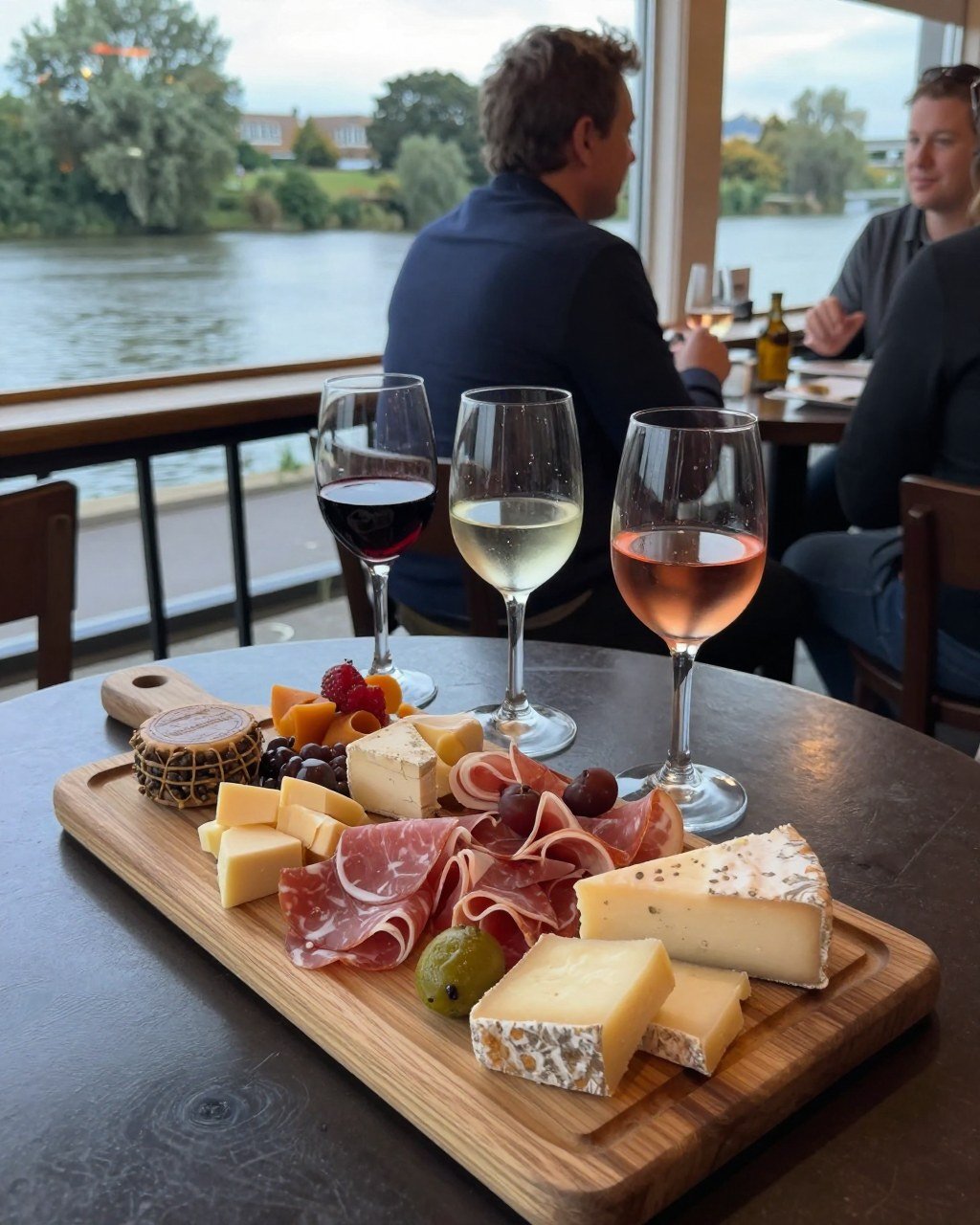
Here is how we would pair a typical board:
| Wine Style | Best Paired With | Why It Works |
|---|---|---|
| Crisp white | Soft cheese, cured ham | Acidity cuts through richness |
| Light red | Salami, hard cheese | Gentle tannins match salt and fat |
| Full red | Aged cheese, game | Weight stands up to strong flavour |
| Sparkling | Fried or salty bites | Bubbles cleanse the palate |
For a fuller spread, tapas-style small plates let you test each wine against several flavours rather than one. A wine flight and food pairing works best when neither side overpowers the other.
Flight Size, Pour Volume and Pacing Your Evening
Flights are usually built from a small number of pours. Ask the venue how many pours and what pour size a flight includes before you order.
Pace a flight across 60 to 90 minutes. Order a glass of water alongside, eat something as you go, and treat the flight as the centrepiece of the visit rather than the prelude to more drinking. If you are driving, UK drink-drive limits are strict, so plan transport before you order. Anyone unsure of their tolerance should ask for a shorter flight or share one between two.
Watch out: ordering a flight on an empty stomach is the most common way an evening unravels. Eat first.
Comparing Value and Setting: What to Weigh Up Before You Book
Value in a wine flight comes from three things: what you get in the glass, what you learn, and how comfortable the room is. Price alone tells you little. Use the checklist below to compare venues on equal terms.
What to Ask Before You Book
- Pour size and number of pours: ask for both. Three 50ml pours and four 50ml pours are different products, and the per-pour maths is the only fair comparison.
- Curated or fixed: a fixed list is fine if the theme suits you; a curated flight is better if you have specific likes, dislikes or a budget.
- Guidance included: does staff talk you through each pour, or is the flight simply delivered? Guided tastings usually justify a higher price because you leave knowing more.
- Food available: a tasting board or small plates let you test pairings, but check whether the board is included or extra so you can budget for the whole evening.
- Booking and availability: flights are often limited by open bottles, so ask whether you need to book, whether flights run all evening, and whether a particular flight is available on the day you plan to visit.
- Accessibility: if you need step-free access, a quieter table or specific seating, ask when booking rather than on arrival. Historic buildings often have uneven floors and narrow staircases.
How to Judge the Setting
A calm room with knowledgeable staff teaches you more than a loud one, but atmosphere is personal. Visit at the time of day you plan to drink, a bar at 6pm is a different room from the same bar at 10pm. If live music or events are scheduled, check whether they overlap with your booking, because volume changes how easily staff can guide you.
Budget for the Whole Evening
Budget for the flight plus a tasting board plus transport, not the flight alone. That total is the true cost of the evening and the fairest way to compare two venues. If you are driving, plan transport before you order, because drink-drive limits are strict and a flight of three or four pours can put you over the limit depending on your size and what you have eaten.
Pace and Responsibility
A flight is a tasting, not a session. Order water alongside, eat something as you go, and treat the flight as the centrepiece rather than the prelude to more drinking. If you are unsure of your tolerance, share a flight between two or ask for a shorter one. Most bars will happily pour a shorter flight or split one, but ask before ordering rather than after.
For a broader comparison of riverside venues, this guide to riverside dining alternatives sets out the trade-offs worth weighing. If you are also planning a meal, our comparison of nearby dining spots helps you judge value and atmosphere side by side.
Book a Riverside Wine Flight at Plonkers Wine Bar
Choosing a wine flight comes down to four habits: start with what you drink, read the tasting notes, taste light to heavy, and pace yourself. Get those right and every flight becomes a short, enjoyable education.
Plonkers Wine Bar is a family owned and run bistro on the York riverside, offering a large selection of specialist beers, wines and spirits alongside home-cooked food made from locally sourced ingredients. Live music and open mic nights are part of the venue’s regular events.
Book a table at Plonkers Wine Bar to see what suits your taste and your evening.
A good flight rewards curiosity, not expertise. Whether you are new to wine or chasing a particular grape, the right venue will guide your selection and let the comparison do the teaching.
Frequently Asked Questions
How many wines are usually in a wine flight?
Flights are usually built from a small number of pours. Ask the venue how many glasses a flight includes before you order.
What order should you taste wines in?
Work from light to full and from dry to sweet. Start with sparkling or a crisp white, move to a richer white or rosé, then on to reds from lighter to fuller body, and finish with a sweet wine if one is included. This progression means tannins and acidity do not dull the wines that follow. If you are unsure, ask for staff recommendations on the order for that day’s flight.
Can you ask for a wine flight to suit your preferences?
Yes, and it is worth doing. Tell the staff what you normally drink, whether you prefer dry or sweeter styles, and any flavours you dislike.
What food pairs well with a wine flight?
Sharing plates of food alongside your drinks gives you several flavours to match against different pours. Salty and cured foods soften tannins in red wine, while fresh, acidic dishes lift crisp whites. Keep portions small so the food supports the tasting rather than replacing it, and ask which board the venue recommends alongside its current flight.
