Table of Contents
- The Independent Food Scene in York
- Why Choose Independent Restaurants in York Over Chains
- The Locally Sourced Food Benefits You Actually Taste
- Supporting Local Businesses: Where Your Money Goes
- Best Independent Restaurants and Hidden Gems in York
- Accessibility, Dietary Inclusivity and the Story Behind the Menu
- How to Spot a Genuinely Independent Restaurant
- Conclusion
- Frequently Asked Questions
Last Updated: September 16, 2026
The Independent Food Scene in York
Independent restaurants in York are venues owned and run by individuals, families or small local groups rather than national chains or hospitality groups, and they form the backbone of the city’s dining identity. This guide from Plonkers Wine Bar examines why that matters and how to find the best of them.
Why Choose Independent Restaurants in York Over Chains
The strongest reason to choose independent restaurants over chains is that your money stays in the local economy, and the food is typically cooked to order rather than assembled from a central supply spec, with menus that respond to what’s in season.
What Makes a Restaurant Independent?
An independent restaurant is one where the owner makes the decisions, not a head office, so the person choosing the suppliers is often the same person greeting you at the door. Independence isn’t a legal category, so know the signals. A genuinely independent venue usually:
- Names its suppliers, or at least its region
- Changes its menu through the year
- Has an owner who is present, not a rotating management team
- Serves a short menu rather than a 60-item laminated one
- Stocks local beers, wines or spirits alongside the familiar brands
The clearest test is the menu. A kitchen that rewrites its offering seasonally is buying fresh; one that never changes is buying frozen.
The Locally Sourced Food Benefits You Actually Taste
Locally sourced food benefits are practical rather than abstract: shorter supply chains mean fresher ingredients, and shorter menus mean the kitchen can cook each dish properly rather than reheating it.
Seasonal Menus and Local Produce
A seasonal menu is built around what’s available now, which is why the same venue can feel different in June and November: root vegetables, game and brassicas in the colder months; soft fruit, salad leaves and lighter fish in summer. Seasonality is a buying decision, not a marketing one, a kitchen committed to local produce plans around availability, which usually means fewer dishes and better execution.
Supporting Local Businesses: Where Your Money Goes
Money spent with an independent circulates locally in a way that money spent with a chain does not, and the mechanism behind that is called the local multiplier effect. Most guides stop at “support local” as a slogan; the interesting part is what happens to the money afterwards.
The Local Multiplier Effect, Explained Simply
When you spend £40 on a meal, the venue keeps some and pays out the rest: staff wages, supplier invoices, energy, rent, repairs, waste collection. How much stays local depends on how many of those suppliers are themselves local. Picture it in rounds of spending:
- Round one: you pay the restaurant.
- Round two: the restaurant pays its staff, its local butcher, its greengrocer and its brewer.
- Round three: those staff and suppliers spend their income in the same city, on rent, food, transport, other hospitality.
- Round four and beyond: each subsequent round is smaller, but the total is larger the more locally owned the supply chain is.
Why This Matters More in a Compact, Tourism-Heavy City
A dense, walkable centre with a large visitor economy concentrates hospitality spend per square mile, making the multiplier effect more visible: a strong independent scene supports not just restaurants but the suppliers, delivery drivers, cleaners, musicians and tradespeople who serve them.
The Social Case, Not Just the Economic One
Family-run venues host the gigs, open mic nights, birthday parties and post-theatre dinners that give a city its rhythm, and they tend to sponsor the local rugby club, donate a raffle prize or put on a charity quiz. A chain can do those things too, but usually because a regional marketing plan says so, not because the owner lives three streets away.
| What you’re choosing | Independent venue | Chain restaurant |
|---|---|---|
| Menu changes | Seasonal, supplier-led | Fixed national menu |
| Procurement | Often local butchers, greengrocers, breweries | Central distribution |
| Profit destination | Owner, often local | Head office or parent company |
| Decision maker | Owner, often on site | Area manager |
| Local drinks | Regional breweries and makers | Listed national brands |
| Community role | Gigs, quizzes, sponsorships, regulars | Brand-led campaigns |
| Atmosphere | Unique, often historic building | Standardised fit-out |
The practical version of “support local” isn’t guilt, it’s noticing where the second and third rounds of your spending land. A venue that names its butcher and its brewer is telling you how far your money travels before it leaves the city.
Best Independent Restaurants and Hidden Gems in York
The best independent restaurants in York cluster in a few distinct pockets: the riverside, the streets around the minster, and the smaller lanes away from the main shopping drag. Each suits a different kind of evening. Venturing beyond these popular hubs often reveals the most authentic hidden gem restaurants tucked away in the quieter corners of the city.
Family-Run Bistros and Riverside Dining
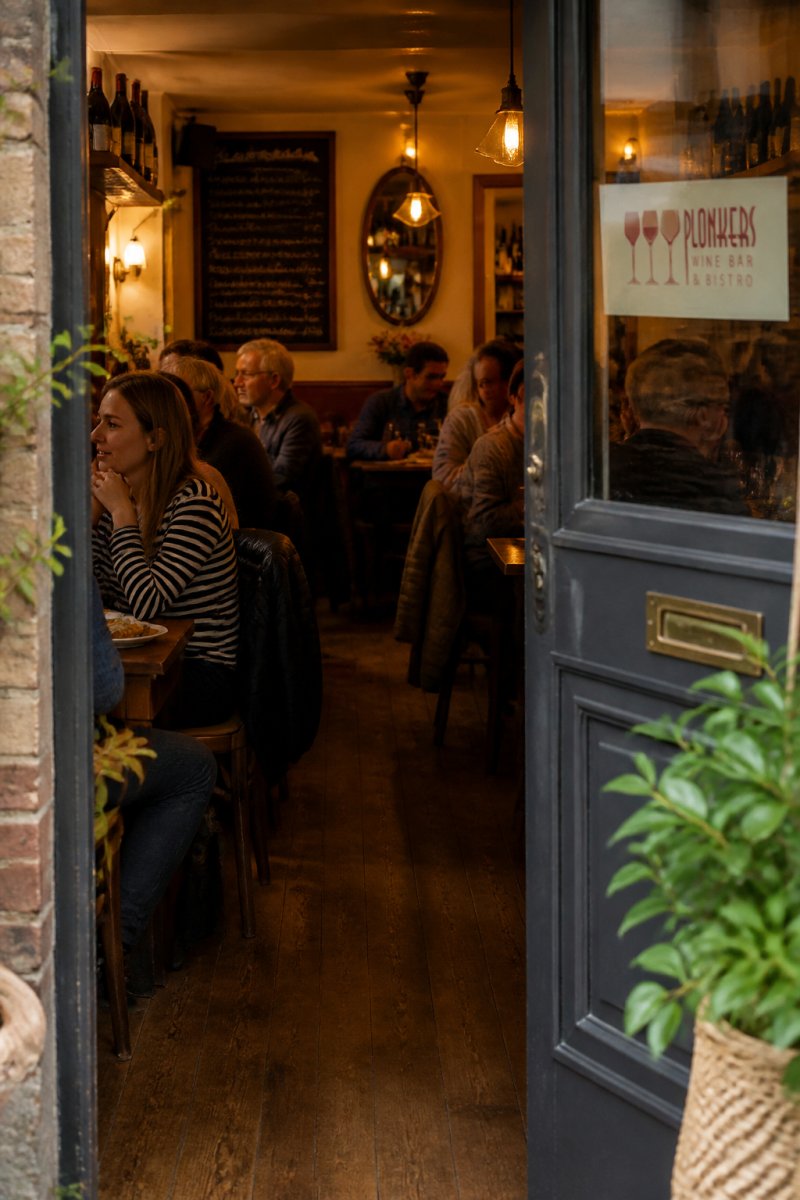
Riverside dining is the standout category. Sitting above the water with a view of the bridges changes the pace of a meal, and riverside venues tend to be the older, quirkier buildings. Plonkers Wine Bar sits on the York riverside in a characterful building, serving home-cooked food with a large selection of specialist beers, wines and spirits.
Street Food, Cafes and Fine Dining
York’s food scene spans the full range: street food markets and small cafes at the budget-friendly end, a handful of fine dining rooms for special occasions.
- Street food: markets and pop-ups, best for a quick lunch
- Cafe culture: independent coffee shops, good for a slow morning
- Fine dining: tasting menus and curated wine lists for celebrations
- Bistros: the middle ground, and where most locals actually eat
If you’re organising a group, book early and ask about the layout, not just the headcount. A venue that seats 40 across two rooms feels completely different from one that seats 40 in a single space.
Accessibility, Dietary Inclusivity and the Story Behind the Menu
Accessibility and dietary inclusivity are where independents either win loyalty or lose it, and the difference usually comes down to whether the kitchen treats a requirement as part of the job or as an inconvenience. A chain follows a spec; an independent cook can change a dish on the spot, but only if front of house asks the right questions first.
Dietary Needs: What to Ask Before You Book
Vegan and plant-based diners get let down constantly by venues that advertise options and then produce two tired dishes. The honest test is whether the kitchen has thought about the whole plate, not just removed the meat.
- Allergens: “Can you tell me which dishes on tonight’s menu contain [allergen], and how you avoid cross-contact in the kitchen?”
- Vegan and plant-based: “Is there a dish that was designed vegan, rather than one with the cheese left off?”
- Gluten-free: “Do you have a separate prep area or fryer, or is it a same-kitchen adaptation?”
- Nut-free: “Are nuts used elsewhere in the kitchen, and can you confirm which oils and garnishes are safe?”
- Coeliac or severe allergy: “Who in the kitchen owns the allergen check, and will they confirm it back to me on the night?”
Accessibility: The Practical Checks
Accessibility is more than a ramp. Ask before booking:
- Step-free entry: Is there a step at the door, and is there a level route from the street?
- Toilets: Is there an accessible toilet on the same floor as the dining room?
- Space: Can a wheelchair or a pushchair move between tables, or is the room tightly packed?
- Lighting and noise: Is there a quieter corner for anyone who finds a full room overwhelming?
- Assistance dogs: Are they welcome, and is there water available?
- Menus: Is there a large-print or digital version, and can staff read it aloud if needed?
A venue that answers these questions clearly has usually thought about them. One that hasn’t been asked may still say yes, but you want to know before you arrive, not at the door.
The Story Behind the Menu
The story behind the menu matters too. When you know the owner, the building and the suppliers, a meal stops being a transaction, the narrative food tourism is actually chasing, and why a family-run venue with decades behind it reads differently from a new opening. A few questions unlock the story, and most independents are happy to answer:
- How long has the venue been here, and who ran it before?
- Which suppliers does the kitchen rely on, and how long have those relationships lasted?
- What’s the dish that regulars keep ordering, and why hasn’t it left the menu?
- What changes with the seasons, and what stays the same all year?
If you have a serious allergy or an accessibility requirement, ring the venue rather than relying on a booking form. The person who answers the phone is usually the person who can actually check with the kitchen.
How to Spot a Genuinely Independent Restaurant
A genuinely independent restaurant is one where the owner controls the menu, the suppliers and the pricing, and you can usually confirm it in under a minute. Look for signals, not branding.
Work through this checklist before you book:
- Does the menu change with the seasons?
- Are suppliers or regions named on the menu?
- Is there a local beer, wine or spirit on the list?
- Is the menu short enough to cook fresh?
- Is the owner or a long-serving manager visible?
- Does the venue have a history, or is it a recent fit-out?
- Can the kitchen adapt a dish for a dietary requirement?
The most common mistake is assuming a small, rustic-looking venue must be independent. Some are chain-operated concepts dressed to look local. Check the menu and the drinks list before you commit to a special occasion booking.
Conclusion
Choosing where to eat is a small decision with a long tail: it shapes what your high street looks like in five years. Independents survive on regular custom, not a national ad budget.
Frequently Asked Questions
What makes a restaurant independent?
An independent restaurant is owned and run by its proprietor rather than a chain or franchise, so the menu, suppliers and atmosphere reflect the owner’s own choices. In York, that often means a family-run bistro with a short, changing menu, local suppliers and staff who know the regulars. It also means no head office dictating portion sizes or pricing, which is why independent restaurants tend to feel more personal and less uniform than the chains nearby.
Are independent restaurants better for locally sourced food?
Often, yes. Independents are untied to national supply contracts, so they can buy from local butchers, fishmongers and growers without a head office insisting on a central supplier. That means shorter journeys from farm to plate, fresher seasonal produce and menus that change with what is available. The locally sourced food benefits show up on the plate: better flavour, less waste and money that stays in the regional food economy.
How do independent restaurants contribute to the local economy?
Money spent in an independent restaurant circulates locally: it pays local staff, local suppliers and local tradespeople, rather than leaving the area to a chain’s head office. Independents also tend to hire from the immediate community and source from nearby producers, which keeps more of each pound in the city. Supporting local businesses this way helps sustain the wider food scene, from breweries and bakeries to market traders.
What are the benefits of eating at family-run bistros?
Family-run bistros usually combine consistency with character: the same people cook and serve night after night, so standards stay steady and you get to know the faces behind the food. They also tend to be more flexible on dietary requirements, portion sizes and special occasions, because decisions are made on the spot rather than by policy. For a regular weeknight dinner or a birthday celebration, that personal touch is hard to replicate.