Table of Contents
- Why Live Music Drives Restaurant Revenue and Customer Loyalty
- Understanding PPL PRS Music Licensing for Restaurants
- Selecting the Right Genre and Artist for Your Clientele
- How to Promote Live Music Events for Restaurants: A Step-by-Step Approach
- Restaurant Event Marketing Ideas: Social Media and Local Promotion
- Email Marketing Templates for Restaurant Events
- Managing Logistics, Volume Levels, and Customer Experience
- Measuring Success: Budgeting, ROI, and Repeat Attendance
- Frequently Asked Questions
Last Updated: September 30, 2026
Why Live Music Drives Restaurant Revenue and Customer Loyalty
Live music transforms a restaurant into a destination, keeping customers longer, driving drink orders, and encouraging advance bookings and word-of-mouth referrals. Many restaurants treat it as a nice-to-have extra, but it’s a genuine revenue driver that builds community and brand identity. The challenge is execution: wrong artist choice, poor sound, or weak promotion backfire and drive customers away.
This guide covers everything you need to know about how to promote live music events for restaurants. We’ll walk through licensing requirements, booking strategy, technical setup, and promotion tactics that actually work.
Understanding PPL PRS Music Licensing for Restaurants
Music licensing in the UK is mandatory for any recorded or live music in a public space. PPL (Phonographic Performance Limited) licenses recorded music (background music, DJs, tracks between sets). PRS for Music licenses compositions and lyrics performed live. If an artist performs only their own original compositions, you may not need PRS, but this gets complicated, clarify with both organisations.
Contact PPL and PRS directly to clarify requirements for your venue size and frequency.
Selecting the Right Genre and Artist for Your Clientele
Mismatched music kills the vibe. Understand your customers first: Are they locals, tourists, couples, or groups? Your audience determines the genre and energy level. Consider age, meal type, and venue atmosphere, a cosy wine bar suits acoustic or jazz; a lively bistro handles upbeat pop. Ask existing customers what genres they’d enjoy and survey regulars. Start with one or two genres, track which nights draw bigger crowds and higher spending, and double down on what works.
How to Promote Live Music Events for Restaurants: A Step-by-Step Approach
Step 1: Plan Your Event Calendar and Book Your Performer
Consistency matters, a weekly Thursday slot becomes a habit. Create a three-month event calendar specifying which nights, frequency, start time, and duration (typically 90 minutes to 2 hours). Book performers via local venues, social media, booking agents, or word of mouth. When contacting artists, provide venue details, audience size, date, duration, genre, budget, and technical requirements. Negotiate a written contract covering payment, cancellation terms, and song selection.
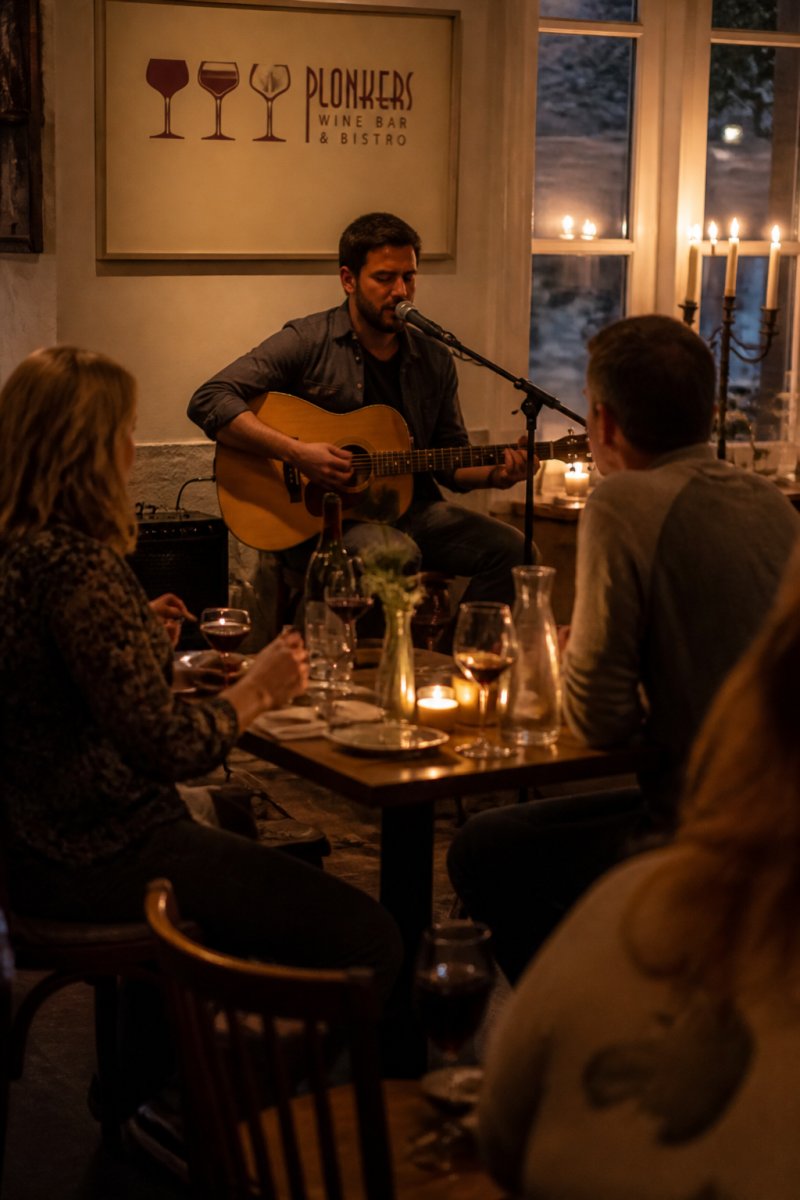
Step 2: Set Clear Technical Requirements and Sound Quality Standards
Poor sound quality drives customers away. Before booking, assess your sound system, electrical power, volume control, and stage space. Create a technical rider specifying power outlets, microphone/amplifier specs, stage dimensions, sound check time, and who manages volume. Share this with performers before booking. During the performance, assign someone to monitor levels, music should enhance conversation, not drown it out.
Step 3: Build Your Email Marketing Campaign
Email is your most direct line to customers. Collect addresses via signup prompts at the till, website, and social media (offer a discount code or event calendar in return). Send emails two weeks before each event with artist name, genre, date, time, description, booking link, and clear CTA. Follow up with a reminder one week before. After the performance, send a thank-you email with a photo or video clip to encourage repeat attendance.
Restaurant Event Marketing Ideas: Social Media and Local Promotion
Email reaches people who already know you. Social media and local search reach new audiences, and when done strategically, they drive bookings from people actively searching for live music venues.
Social Media Promotion: Beyond Generic Posts
Post about live music events on Instagram, Facebook, and TikTok, but be tactical about it.
Content pillars that drive engagement:
- Behind-the-scenes content: Show the artist during sound check or setup. Post 3-5 days before the event. These posts perform well because they build anticipation and feel authentic.
- Customer testimonials and UGC: Repost photos and videos from diners at previous events. Tag customers and ask permission to share. This is your most credible marketing, peer recommendation drives bookings.
- Artist spotlights: Interview the performer. Share their story, why they chose your venue, what songs they’ll play. Post this 10-14 days before the event to build awareness early.
- Event countdowns: Post reminders 7 days, 3 days, and 1 day before. Countdown posts have higher engagement because they create urgency.
- Live clips during the event: If possible, post short video clips (15-30 seconds) during the performance. This creates FOMO for people not attending and encourages them to book the next event.
Local Search and Event Listings
Many people search “live music near me” on Google Maps and search engines. Claim and optimise your Google Business Profile: add “Live Music” to your business category, create event posts directly in your profile (include artist name, date, time, booking link, these appear in local search results), and encourage customers to leave reviews mentioning the live music experience.
Word of Mouth and In-Venue Promotion
Make word-of-mouth easy: mention live music during reservations, create window and interior posters with artist name, date, time, and QR code, hand out printed event cards at the till, and train staff to mention upcoming nights. Servers are your best ambassadors, customers are more likely to return if staff recommend the next event. Elevating the guest experience further requires seamless service coordination, which often involves hiring professional bartenders to ensure that the drink menu matches the energy of the live performance.
Email Marketing Templates for Restaurant Events
Two-Week Announcement: Subject: Live Music This Thursday, [Artist Name] at [Restaurant Name] | [Artist Name] is performing on [Date] at [Time]. They’ll play [genre] for [duration]. Tables fill up fast, so book early. [LINK: Reserve your table]
Managing Logistics, Volume Levels, and Customer Experience
Arrive early on performance day to set up the stage, test the sound system, and conduct a full sound check with the artist (30 minutes to 1 hour before dinner service). During the performance, manage volume carefully, it should enhance atmosphere, not dominate it. Assign a staff member to monitor and adjust levels based on how busy the restaurant is.
Measuring Success: Budgeting, ROI, and Repeat Attendance
Live music is an investment. You need to know whether it’s paying off.
Building Your Live Music Budget
Start by identifying all costs associated with hosting live music:
Direct artist costs:
- Artist fee: This varies widely. A solo acoustic performer might charge £50-150 per night. A three-piece band might charge £200-500. Established local acts or touring musicians can cost £500-2,000+. Negotiate based on your venue size, audience, and how often you’ll book them.
- Sound engineer or technician (if needed): If your artist doesn’t manage their own sound, you may need to hire someone. Budget £50-150 per event.
Calculating ROI: The Metrics That Matter
After 4-6 events, assess whether live music is working. Compare live music nights to regular nights (same day/season) on: Attendance (covers), average spend per cover (even £5-10 more adds up), and drinks revenue (track separately). Example: 80 diners spending £35 vs. £30 on regular nights = £400 extra revenue. Subtract event cost (£231) = £169 net gain per event. If profitable, continue; if not, adjust your approach.
Benchmarks: What Success Looks Like
Most restaurants see 15-30% more revenue on live music nights after accounting for artist and promotion costs. If breaking even or losing money, try: cheaper artists (emerging local musicians), different nights (Friday/Saturday), different genres (test customer preferences), better promotion (invest more before giving up), or cover fees (£5-10 per person for premium nights).
Tracking Tools and Templates
Create a simple spreadsheet to track each event:
| Date | Artist | Genre | Covers | Avg Spend | Revenue | Event Cost | Net Gain | Notes |
|---|---|---|---|---|---|---|---|---|
| 15 Nov | Sarah Jones | Acoustic | 85 | £38 | £3,230 | £231 | £2,999 | Strong turnout, repeat bookings |
| 22 Nov | Jazz Trio | Jazz | 62 | £42 | £2,604 | £350 | £2,254 | Smaller crowd, higher spend |
After 12 events, review the data. Which artists and genres drive the best ROI? Which nights are strongest? Double down on what works.
Frequently Asked Questions
Do I need a PPL or PRS licence to host live music in my restaurant?
Yes. In the UK, you must obtain licences from both PPL (Phonographic Performance Ltd) for recorded music and PRS for Music (Performing Right Society) for live performances and covers. These licences ensure musicians and rights holders are paid fairly. PPL and PRS manage different rights: PPL covers the sound recording, while PRS covers the musical composition. Failure to obtain these licences can result in significant fines. Contact PPL and PRS directly to determine your venue size category and applicable fees.
What type of music should a restaurant play to attract customers?
Choose music that matches your clientele and dining atmosphere. For a wine bar or bistro, acoustic sets, jazz, folk, and singer-songwriter performances typically create an intimate ambiance that encourages conversation and repeat visits. Consider your customer demographics: younger crowds may enjoy indie or alternative acts, while established diners often prefer classic or traditional genres. Test different genres and track which nights draw the largest crowds and highest spending. Consistency matters, regular customers return when they know what to expect.
How can I use email marketing to boost attendance for music nights?
Build an email list from existing customers and event attendees. Send invitations 2-3 weeks before each live music event with performer details, music genre, date, and a clear call-to-action to book a table. Segment your list by customer preference (e.g., jazz lovers, locals, tourists) and tailor subject lines accordingly. Follow up with a reminder email one week before the event. Track open rates and click-throughs to refine future campaigns.
What are the best ways to attract new customers to a restaurant event?
Combine email, social media, and local partnerships. Post event announcements on Facebook, Instagram, and TikTok with performer photos, clips, and customer testimonials at least 3 weeks ahead. Partner with local event listings, tourism boards, and community groups to extend reach. Encourage existing customers to share events with friends via referral incentives. Use location tags on social media to reach nearby residents and tourists. Consider a small paid social media campaign targeting your local area. Word-of-mouth remains powerful, excellent service and atmosphere turn first-time attendees into regulars.
Live music events require planning, but the payoff is worth it. At Plonkers Wine Bar, we’ve built a loyal community of customers who return specifically for our live music and open mic nights. Start with a clear calendar, book quality artists, and promote effectively. The atmosphere you create will set you apart and give customers a reason to choose your restaurant over the competition. Book your first live music event today and watch how it transforms your business.