Table of Contents
- Why York Restaurants Are Taking Dietary Requirements Seriously
- How to Communicate Dietary Needs to Restaurant Staff
- Top Restaurants for Vegan and Vegetarian Dining in York
- Gluten-Free and Coeliac-Friendly Spots in the City Centre
- Fine Dining and Special Occasions with Dietary Flexibility
- Group Bookings and Private Dining for Mixed Diets
- Understanding Food Allergen Labelling Regulations in the UK
- Your Next Steps for a Stress-Free Meal in York
- Frequently Asked Questions
Last Updated: September 7, 2026
Why York Restaurants Are Taking Dietary Requirements Seriously
Dining with dietary requirements in York used to mean a limited salad and a polite apology. That era has passed. The city’s independent food scene now treats veganism, gluten intolerance, and food allergies as standard hospitality, not inconvenient extras.
The change reflects broader UK hospitality trends. Staff training now routinely covers allergen awareness, and kitchens are far more willing to discuss how dishes are prepared. At Plonkers Wine Bar, we have served the York riverside since the early 1980s and have watched this evolution firsthand. A common mistake diners make is assuming their needs are a burden; a clear conversation usually produces a better meal than silent compromise.
Understanding what you can eat matters as much as where you choose to eat. The rest of this guide covers how to communicate effectively with staff, where to find the best options across York, and what protections exist under UK law.
How to Communicate Dietary Needs to Restaurant Staff
The most effective way to guarantee a safe meal is to state your requirements clearly and early. Mention your dietary needs when booking, remind your server when ordering, and ask specific questions about preparation rather than just the menu description.
A practical approach works best for dining with dietary requirements in York. Instead of saying “I’m vegetarian,” specify whether eggs and dairy are acceptable. Instead of “I’m gluten-free,” ask whether the chips share a fryer with battered items. This detail helps kitchen staff give accurate allergen information and avoid cross-contamination.
Never assume a dish is safe because it sounds plant-based or simple. Sauces, marinades, and garnishes frequently contain hidden allergens. Always confirm with a staff member rather than relying on menu descriptions alone.
For dairy-free diners, asking about butter and cream in mashed potatoes or sauces is essential. For vegan guests, checking whether the vegetable soup uses chicken stock can prevent a disappointing surprise. These questions feel awkward at first, but experienced staff appreciate the clarity.
Top Restaurants for Vegan and Vegetarian Dining in York
York offers an impressive range of plant-based options, from dedicated vegan cafés to traditional pubs with substantial meat-free menus. The city centre alone hosts several spots where vegetarian and vegan diners can choose from multiple mains rather than a single token dish.
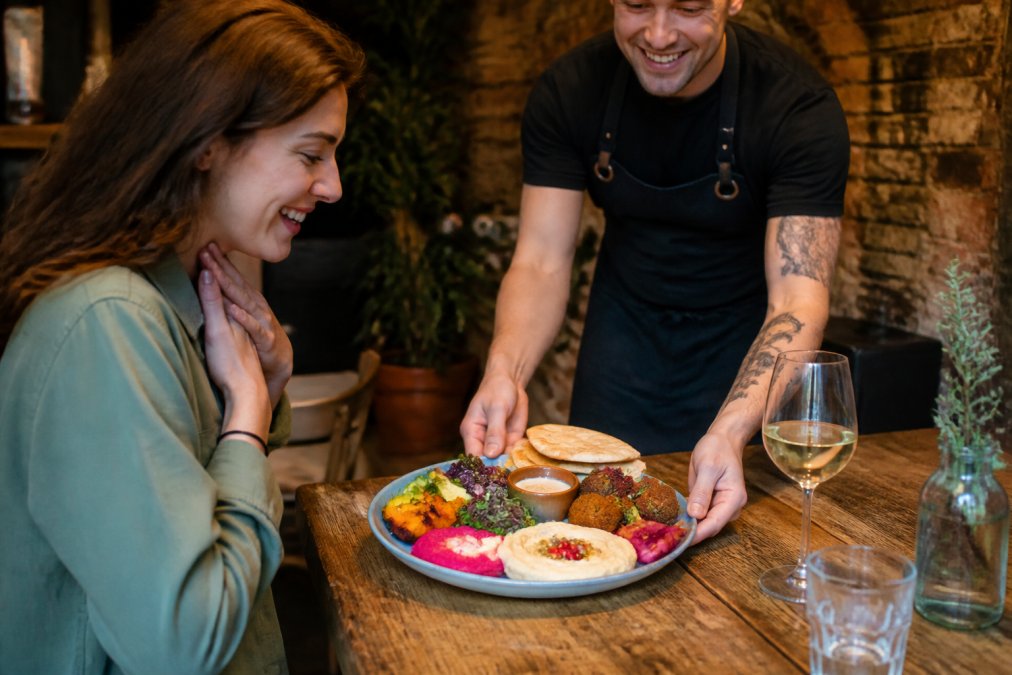
A standout choice is Plonkers Wine Bar, where our team regularly accommodates vegan and vegetarian guests with home-cooked dishes built around locally sourced vegetables. One recent guest noted, “I thoroughly enjoyed the vegan carvery here today, the staff went above and beyond to make sure I was catered to.” That care reflects a wider commitment across York’s independent venues to make plant-based dining feel generous rather than restrictive.
| Venue Type | Typical Offerings | Best For |
|---|---|---|
| Riverside bistro | Vegan carvery, vegetarian mains, locally sourced produce | Relaxed meals with riverside views |
| City centre café | Vegan cakes, plant-based brunch | Casual daytime dining |
| Traditional pub | Meat-free burgers, vegetable roasts | Comfortable, familiar settings |
York’s vegan scene extends beyond dedicated restaurants. Many pubs now label vegan options clearly, and several bakeries offer plant-based treats alongside traditional fare.
Gluten-Free and Coeliac-Friendly Spots in the City Centre
Finding gluten-free options in York’s city centre is far easier than it was a decade ago, though coeliac diners still need to exercise caution. The distinction matters: gluten-free suits those with sensitivity, while coeliac-friendly requires rigorous protocols to prevent cross-contamination.
Most guides stop at listing which pubs have gluten-free Yorkshire puddings. What they rarely explain is why one venue is safe for a coeliac diner and another is not. The answer lies in kitchen infrastructure and workflow, not just menu labelling.
The Cross-Contamination Questions That Actually Matter
When dining with dietary requirements in York, coeliac guests should move beyond asking “Is this gluten-free?” and instead ask about the physical separation of ingredients and cooking surfaces. Key mechanisms to probe are:
- Dedicated fryers: Ask whether the chips are cooked in a fryer that is used exclusively for gluten-free items. If the fryer is shared with battered fish or onion rings, the oil contains gluten particles that will transfer to your food (coeliac.org.uk).
- Separate preparation areas: Some kitchens designate a specific section of the counter for gluten-free orders. This prevents flour dust from settling on your plate during plating.
- Toaster and grill management: In venues serving breakfast or brunch, a shared toaster is a common hidden hazard. Ask whether gluten-free bread is toasted in a dedicated appliance or on a protective sheet.
- Stock and sauce bases: Many gravies and sauces are thickened with wheat flour. Venues that cater well to coeliac diners will often use cornflour or arrowroot as a thickener, but you must confirm this per dish.
What a Coeliac-Safe Kitchen Looks Like in Practice
A handful of York venues have invested in genuine coeliac-safe protocols. These kitchens typically maintain a separate storage area for gluten-free products, use colour-coded chopping boards, and train every member of staff, not just the head chef, on allergen procedures. A venue with proper protocols will answer confidently and without hesitation. If a restaurant hesitates or seems uncertain, that is a reasonable signal to choose elsewhere.
A gluten-free menu does not guarantee a coeliac-safe meal. The menu indicates the dish contains no gluten-containing ingredients, but it says nothing about whether the kitchen has prevented cross-contamination during preparation. Always confirm the kitchen’s protocols verbally before ordering.
The Rise of Gluten-Free Beer and Proper Puddings
York’s hospitality scene has responded to demand. Several city centre pubs now stock dedicated gluten-free beers, brewed with sorghum, rice, or buckwheat rather than barley, served from a separate tap line to avoid contamination. Gluten-free Yorkshire puddings are increasingly common but typically made in small batches and may sell out by early evening. If one is essential to your meal, call ahead and ask the kitchen to reserve it.
For coeliac diners, the safest approach is to phone the venue during off-peak hours (between 2pm and 4pm) when the kitchen is quieter and staff have time to discuss your needs in detail. This is far more productive than asking a busy server during the Saturday lunch rush.
A Practical Checklist for Coeliac Diners
Before booking a table in York, run through this checklist:
- Does the venue publish an allergen menu online?
- Does the kitchen operate a dedicated gluten-free fryer?
- Are gluten-free dishes prepared in a separate area of the kitchen?
- Does the venue stock gluten-free beer or cider on a dedicated line?
- Can the head chef discuss cross-contamination protocols if you call ahead?
Venues that answer yes to all five questions are rare but they exist in York. Finding them requires a phone call, not just a glance at a menu. The effort is worth it for the peace of mind of a genuinely safe meal.
Fine Dining and Special Occasions with Dietary Flexibility
Special occasions should not mean compromising on dietary needs. York’s finer dining establishments have embraced dietary flexibility, offering chef-curated tasting menus that adapt to vegan, vegetarian, and gluten-free requirements with advance notice.
The key to a successful fine dining experience with dietary restrictions is communication. When booking, explain your needs and ask whether the kitchen can accommodate them within the set menu. Most quality venues will happily adjust dishes or create bespoke alternatives rather than simply removing elements from a standard plate.
For celebrations in York, consider venues that offer private dining spaces where the menu can be tailored more freely. Plonkers Wine Bar regularly hosts birthday dinners and anniversary meals for groups of 6 to 130 people, adapting the menu to suit mixed dietary requirements across the party. Serving everyone well from one kitchen is a hallmark of experienced independent hospitality.
Group Bookings and Private Dining for Mixed Diets
Organising a group meal when guests have conflicting dietary needs presents a genuine challenge. The solution lies in choosing a venue with experience managing mixed requirements and communicating those needs clearly during booking.
A practical approach is to collect dietary information from your guests before booking. This allows the venue to prepare appropriate options rather than improvising on the day. For larger gatherings, many York venues offer set menus with vegetarian, vegan, and gluten-free alternatives clearly marked.
When booking for a group of 10 or more, ask whether the kitchen can prepare a bespoke menu that accommodates all dietary requirements simultaneously. Experienced venues will appreciate the advance notice and can often create dishes that satisfy everyone without separate preparation runs.
Plonkers Wine Bar’s riverside location and flexible event space make it a popular choice for group celebrations in York. Our team works with organisers to plan menus that respect every guest’s needs while maintaining the quality of a home-cooked meal. Live music and open mic nights add an extra layer of atmosphere for social gatherings.
Understanding Food Allergen Labelling Regulations in the UK
Food allergen labelling regulations in the UK require food businesses to provide accurate allergen information for every item they sell. This applies whether food is prepacked or served fresh, and covers 14 named allergens including gluten, milk, eggs, fish, and nuts.
Under UK Food Standards Agency allergen guidance, restaurants must supply allergen information in writing or verbally upon request. This regulation, which has applied since 2014 under EU law and remains in force under UK law, gives diners a legal right to know exactly what is in their food (food.gov.uk).
For consumers, this regulation means you can reasonably expect accurate answers when you ask about allergens. Businesses that fail to provide correct information can face serious consequences, so reputable venues train their staff thoroughly. When dining with dietary requirements in York, knowing your rights helps you ask the right questions with confidence.
The practical takeaway is simple: if a restaurant cannot tell you whether a dish contains a specific allergen, treat that as a red flag. A venue that understands its legal obligations will provide clear, confident answers.
Your Next Steps for a Stress-Free Meal in York
Planning ahead transforms dining with dietary requirements in York from a source of anxiety into an opportunity for discovery. The difference between a stressful meal and a safe one often comes down to how you communicate during the booking process, not just what you say when you arrive.
The Booking Script That Gets Results
When you call or email a York restaurant to book, use this three-part script to ensure your needs are understood before you walk through the door:
Step 1: State your requirement as a medical need, not a preference.
Say “I have coeliac disease and need to avoid all gluten, including cross-contamination” rather than “I’m gluten-free.” This signals to the booking team that you require kitchen protocols, not just a menu swap.
Step 2: Ask what the kitchen can do, not what the menu says.
Ask “Can your kitchen prepare a safe meal for someone with a severe allergy?” rather than “Do you have gluten-free options?” The first question invites a detailed answer about kitchen practice; the second invites a simple yes or no.
Step 3: Confirm the plan in writing.
If you book by email, ask the venue to confirm in writing that they can accommodate your needs. This creates a record that the venue has been informed, which is useful if you need to escalate a concern after your visit.
When to Book and When to Walk Away
The best time to book a dietary-sensitive meal is 48 to 72 hours in advance. This gives the kitchen time to prepare separate sauces, order specific ingredients, or adjust a tasting menu. Same-day bookings for complex requirements are possible but risk disappointment, especially at busy weekend slots.
If a restaurant cannot answer your questions clearly during the booking call, treat that as a red flag. A venue that understands its legal obligations under UK food allergen labelling regulations will provide clear, confident answers. Hesitation or vagueness at the booking stage often translates to confusion in the kitchen.
The Backup Plan
Even with careful planning, situations change. Kitchens run out of gluten-free bread. A supplier fails to deliver dairy-free milk. A chef calls in sick and the backup cook is less experienced with allergen protocols. Before you head out, identify two nearby venues that can accommodate your needs as a fallback. York’s city centre has enough dietary-friendly options that a backup plan is always within walking distance.
Making the Most of Your Meal
Once you have booked and confirmed, the final step is to enjoy yourself. York’s hospitality standards have risen considerably, and venues that embrace dietary diversity are thriving. By communicating clearly, asking informed questions, and choosing establishments that demonstrate genuine commitment to allergen safety, you set yourself up for an enjoyable and safe meal every time.
For those seeking a memorable riverside meal in York, Plonkers Wine Bar offers the combination of genuine dietary accommodation and independent character that is increasingly rare. Our high-quality home-cooked food draws on locally sourced meat, fish, and vegetables, while our extensive selection of specialist beers, wines, and spirits complements every course. The team’s willingness to adapt dishes has earned consistent praise from guests with specific requirements, and our booking team is always happy to discuss your needs before you arrive.
Frequently Asked Questions
How do restaurants in the UK handle food allergy requests?
UK restaurants are required by law to provide allergen information for every item on their menu. When you make a booking, mention your allergy and ask to speak with the manager or chef on arrival. Reputable venues, including independent spots like Plonkers Wine Bar, will confirm ingredients and adjust preparation to avoid cross-contamination. If staff seem unsure or dismissive, treat that as a red flag and consider dining elsewhere.
Are there specific laws regarding allergen information on menus?
Yes. The Food Information Regulations require that allergen information is available for all loose and prepacked food. This covers the 14 major allergens, including gluten, nuts, milk and eggs. Restaurants can display this on the menu, provide a written document, or direct you to a folder or website. Staff must also be able to explain the information verbally. This law applies across the UK, so you have a legal right to accurate details before you order.
What should I ask staff when dining out with a severe allergy?
Start by stating your allergy clearly and asking whether the kitchen can guarantee no cross-contamination. Ask if separate fryers and utensils are used, and whether sauces and marinades contain your allergen. Confirm that the chef will be told about your order. For a severe allergy, booking ahead and speaking to the manager directly is safer than walking in. A venue that handles this well will show confidence and patience rather than hesitation.
Where can I find vegan and gluten-free options in the city centre?
Most independent restaurants in the city centre now mark vegan and gluten-free choices on their menus. Look for venues that use seasonal ingredients and adapt dishes on request rather than offering a single token option. Plonkers Wine Bar, for example, regularly serves a vegan carvery and adjusts sides to suit gluten-free diners. Checking the menu online before you book saves time, and calling ahead confirms what the kitchen can adapt on the day.
How can I verify if a restaurant is suitable for coeliac disease?
Coeliac disease requires strict avoidance of gluten, so you need more than a gluten-free option on the menu. Ask whether the kitchen has separate preparation areas and whether fried items share oil with battered foods. Look for venues accredited by Coeliac UK or those that train staff on allergen safety. Reading recent reviews from other coeliac diners offers practical insight, but a direct conversation with the manager remains the most reliable check.
Dining out with dietary needs should feel welcoming, not worrying. The key is preparation paired with venues that treat your requirements as a normal part of good hospitality. Plonkers Wine Bar has welcomed guests with diverse dietary needs since the early 1980s, combining locally sourced ingredients, generous portions, and a warm riverside atmosphere. Book your table today and experience how accommodating independent dining in York can be.